
Best Repiping Material Comparison: Copper vs CPVC

Updated: Aug 30
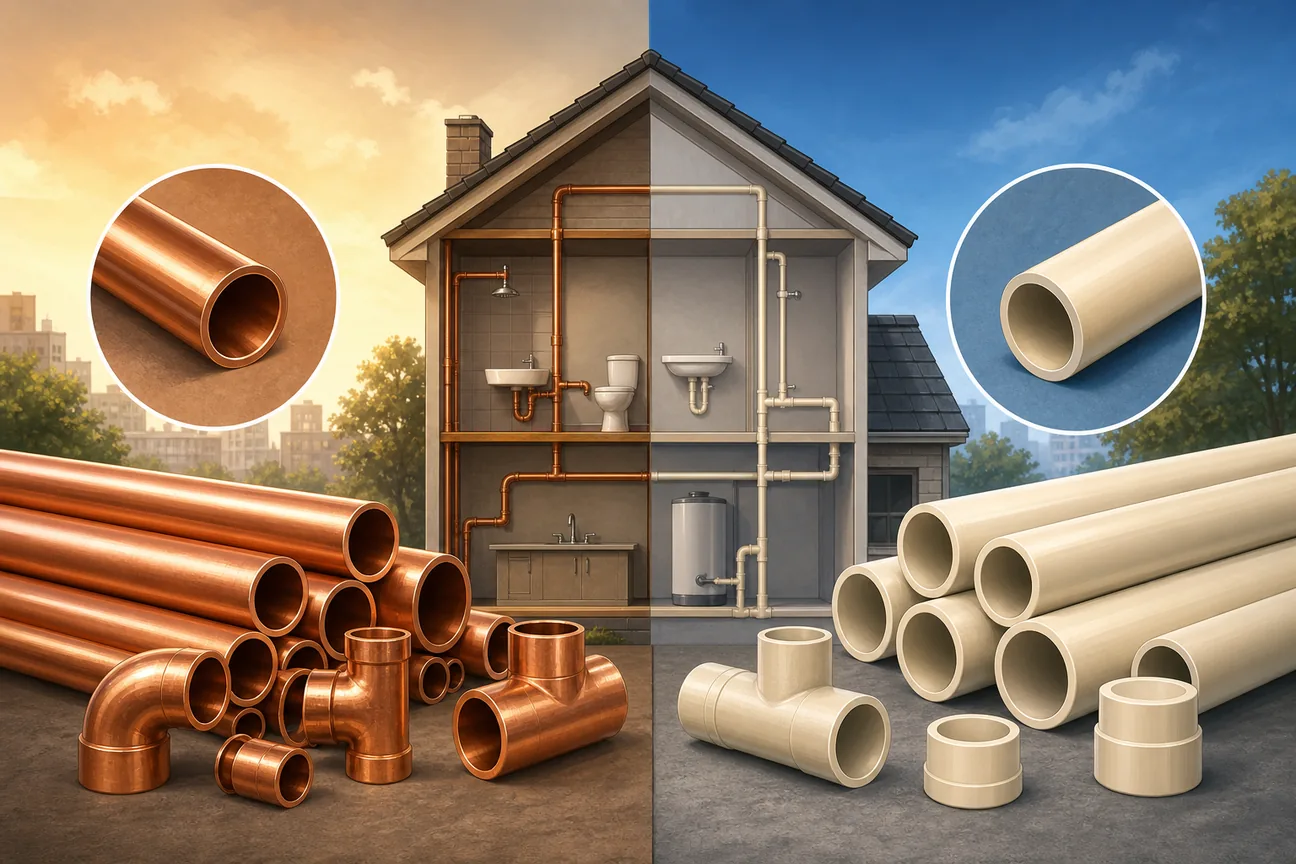
You're looking at a repiping material comparison because you want a leak‑free home that lasts. Below are the top picks, a quick head‑to‑head view, and a short FAQ to clear up the common doubts.
Table of Contents
1. Repipe OC (Our Top Pick) — Local material guidance and full‑service installation
Repipe OC handles every step of a residential whole-house repipe in Orange County. We pull permits, run a full inspection, and back the job with a 25‑year transferable warranty. That warranty moves with the home, so future owners keep the peace of mind.
Our crews know the local water chemistry. Hard water in many OC neighborhoods can chew away at copper, so we match the right material to your water test results. Whether you end up with copper, CPVC, or a hybrid, the job stays code‑compliant because we file the permit and get the city inspector’s sign‑off before the walls close.
Because we work on whole‑house projects, we can plan the pipe runs to minimize wall openings. Fewer openings mean less drywall repair, lower labor, and a cleaner finish. That efficiency often translates into a tighter quote for you.
One limitation: our full‑service repipe focuses on moderate‑complexity homes (single‑story, two‑story with reasonable access). Extremely tight crawl spaces or custom historic renovations may need a specialty contractor.
Pro Tip:Ask for a free on‑site water‑quality test before the estimate. It lets us recommend copper only where the water is neutral enough to avoid pinhole leaks.
We’ve helped homeowners in Irvine, Newport Beach, and Laguna Hills avoid costly leaks for decades. Best CPVC vs PEX Options for Orange County Homes explains how we decide between the two plastics when copper isn’t ideal.
Ready to end the drip?Try Repipe OC free →
Key Takeaway:Repipe OC gives you a single contract, a long warranty, and material advice tailored to Orange County water.
2. Copper — Long‑term durability and maximum service life
Copper has been the workhorse of U.S. plumbing since the 1930s. In Orange County, copper is used in both new construction and underground service lines.
Copper pipes can last 75–100 years when the water stays near neutral pH and the joints are well‑soldered. That makes copper the material with the longest projected lifespan.
Two big perks set copper apart. First, it resists bacterial growth, so the water stays cleaner. Second, it handles high temperatures without degrading, which is why many installers keep copper for water‑heater lines.
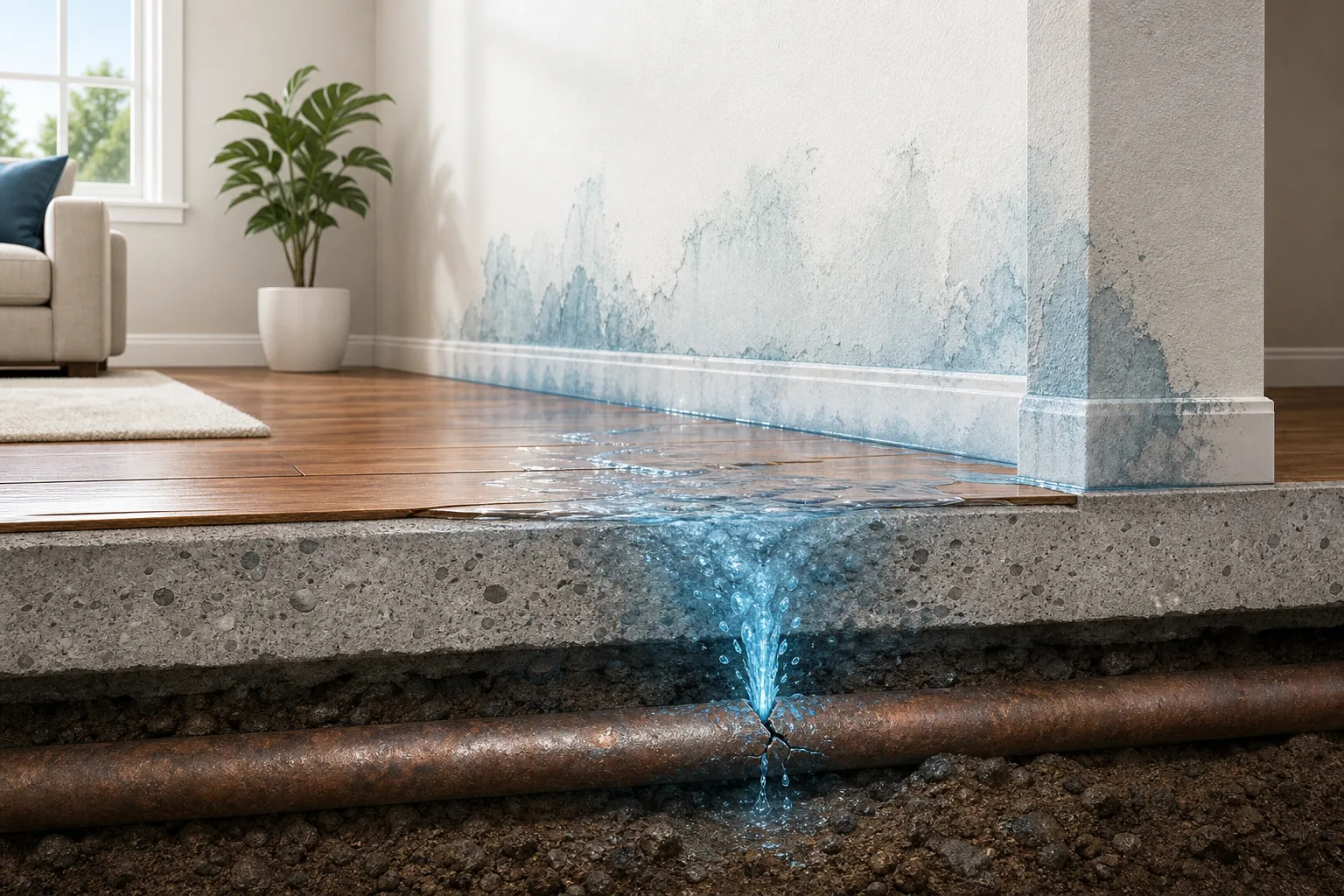
Hard water, however, speeds up scale buildup inside the pipe. In OC’s “very hard” zones (about 13 grains per gallon), that scale can accelerate corrosion at elbows and joints, leading to pinhole leaks after 20‑30 years. Copper pipe corrosion causes, signs, and solutions provides more detail on how water chemistry affects copper.
We’ve seen homes with 60‑year‑old copper still solid, but only when the water chemistry stays soft. If your home has a water‑softener, copper remains a solid choice.
One caveat: copper’s material cost and labor are higher than plastic options. The rigid pipe needs a cut, a fit, and a solder joint at each turn, which adds time and price.
For a deeper dive on copper’s lifespan, see this reference . Understanding pinhole leaks in copper pipes explains why aggressive water chemistry matters.
3. CPVC — Cost‑conscious repiping for older Orange County homes
CPVC (chlorinated polyvinyl chloride) is a rigid plastic that handles hot‑water temperatures up to 200 °F. It gained popularity in the 1990s for remodels because it can be solvent‑welded, which is faster than soldering copper.
The material is recognized by most plumbing codes nationwide, and it meets the NSF‑61 standard for safe drinking water. Those approvals mean a city inspector will sign off on a CPVC repipe without extra paperwork.
In terms of lifespan, CPVC typically lasts 50–75 years. That’s shorter than copper but still long enough for most homeowners who plan to stay in a house for a couple of decades.
CPVC shines when you need a budget‑friendly solution for an older home that already has CPVC runs. Matching the existing material avoids costly transition fittings.
There is a trade‑off: CPVC can become brittle in very cold climates or when exposed to certain chemicals. Orange County’s mild winters keep the temperature risk low, but the material does not tolerate UV exposure well, so it should stay hidden behind walls.
Because CPVC is rigid, it needs more elbows and fittings than flexible PEX, which can add labor minutes. Still, the material cost per foot is lower than copper, keeping overall project costs down.
Best CPVC vs PEX Options for Orange County Homes walks through when CPVC makes sense versus other plastics.
4. Copper vs CPVC — Head‑to‑head comparison for repiping decisions
Factor | Copper | CPVC |
Lifespan | 75‑100 years (if water is neutral) | 50‑75 years |
Temperature rating | Handles >200 °F (no official rating in our data) | 200 °F |
Code approval | Universal; meets ASTM B88 | Approved by most U.S. plumbing codes, NSF‑61 |
Cost per foot (material) | Higher; $2‑$8 / ft | Lower; rates available on request |
Installation ease | Rigid; requires solder joints | Rigid; solvent‑weld joints |
Water‑chemistry sensitivity | Hard water can cause pinhole leaks | Resists corrosion but can become brittle with chlorine |
If your home sits on a slab and you want the fastest install, CPVC may win on labor. If you value the longest possible service life and have a water‑softener, copper still leads.
Our team often recommends a hybrid: CPVC for hot‑water loops where the 200 °F rating matters, and copper for exposed sections near the water heater or outdoor hose bibs. That mix gives you durability where it counts and saves on material where flexibility isn’t needed.
Key Takeaway:Copper offers the longest life, CPVC gives code‑approved, budget‑friendly performance, and a mixed approach can capture the best of both.
For cost‑factor details, see 10 Factors Affecting Repiping Cost per Square Foot . It breaks down how material choice drives the final price.
FAQ: Copper vs CPVC Repiping
Which material lasts longer in Orange County?
Copper generally lasts 75‑100 years when the water stays near neutral pH, while CPVC typically reaches 50‑75 years.
Is CPVC safe for hot water?
Yes, CPVC is rated for temperatures up to 200 °F, making it safe for most water‑heater applications.
Can hard water damage copper pipes?
Hard water accelerates scale buildup inside copper, which can lead to pinhole leaks after a few decades.
Do I need a permit for a repipe?
Every whole‑house repipe in Orange County requires a plumbing permit, and the city inspector must sign off before drywall is closed.
What warranty does Repipe OC offer?
Repipe OC provides a 25‑year transferable warranty on labor and parts, covering both copper and CPVC installations.
Should I mix copper and CPVC in one job?
Mixing is common: use CPVC for hot‑water loops and copper for exposed runs or where UV resistance matters.
Conclusion
For most Orange County homes, Repipe OC is the safest bet because we match the right material to your water chemistry, secure permits, and back the work with a 25‑year transferable warranty. Contact us for a free on‑site estimate and lock in a leak‑free future today.
Comments