
Copper Pipe Corrosion Explained: Causes, Signs & Solutions

Copper pipe corrosion can turn clean water into a costly headache. In Orange County the biggest triggers aren’t old pipes , they’re the chemistry of the water itself. Below we break down why it happens, what to look for, and how to stop it.
1. What Causes Copper Pipe Corrosion
Copper corrodes when the water surrounding it is chemically aggressive. Low pH (acidic water) strips away the protective patina that normally shields the metal, letting copper leach into the flow. High chlorine doses, common near treatment plants, speed up that reaction, even though chlorine is meant to disinfect.
Long service lines give water more time to interact with the pipe, raising copper levels before the water reaches your tap. New copper installations haven’t yet built a stable layer of oxides, so they release more copper during the first few months of use. Finally, low or infrequent water usage lets water sit stagnant in the pipe, increasing the concentration of dissolved copper.
These factors are well‑known in water‑quality research as primary contributors to copper corrosion.
For a quick definition, copper corrosion is the chemical breakdown of copper metal caused by water chemistry, leading to metal loss and water‑quality issues.
Understanding these triggers helps you decide whether a simple water‑treatment tweak will suffice or if a full repipe is needed.
Key Takeaway:Acidic water, excess chlorine, and long copper runs are the top three drivers of corrosion in Orange County homes.
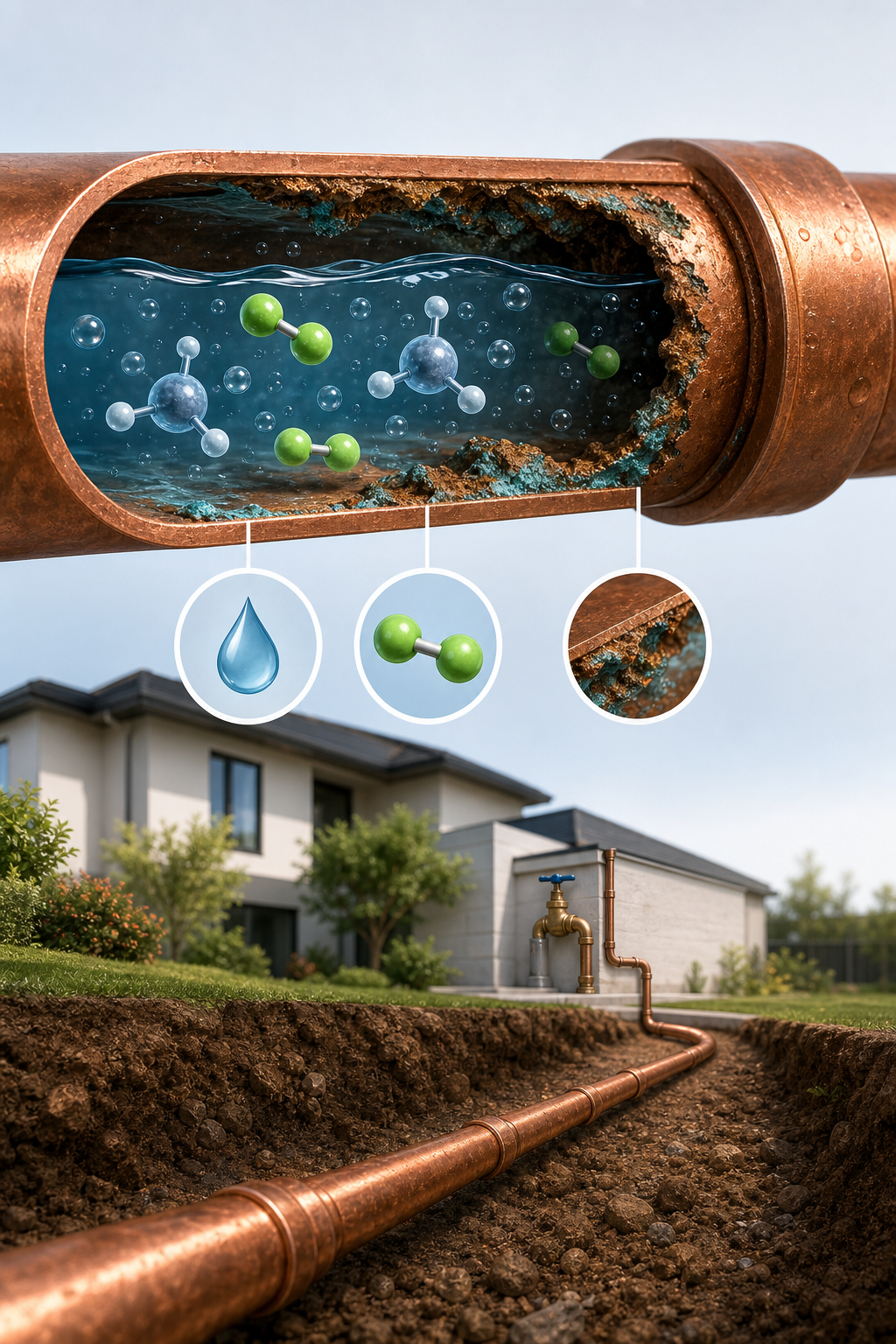
2. Recognizing the Signs of Corrosion in Your Home
Spotting copper corrosion early can save you from leaks, higher water bills, and health concerns. The most common visual cue is a bluish‑green tint in the first‑draw water, often called “blue water.” It appears when the protective patina is missing and copper particles are suspended in the flow.
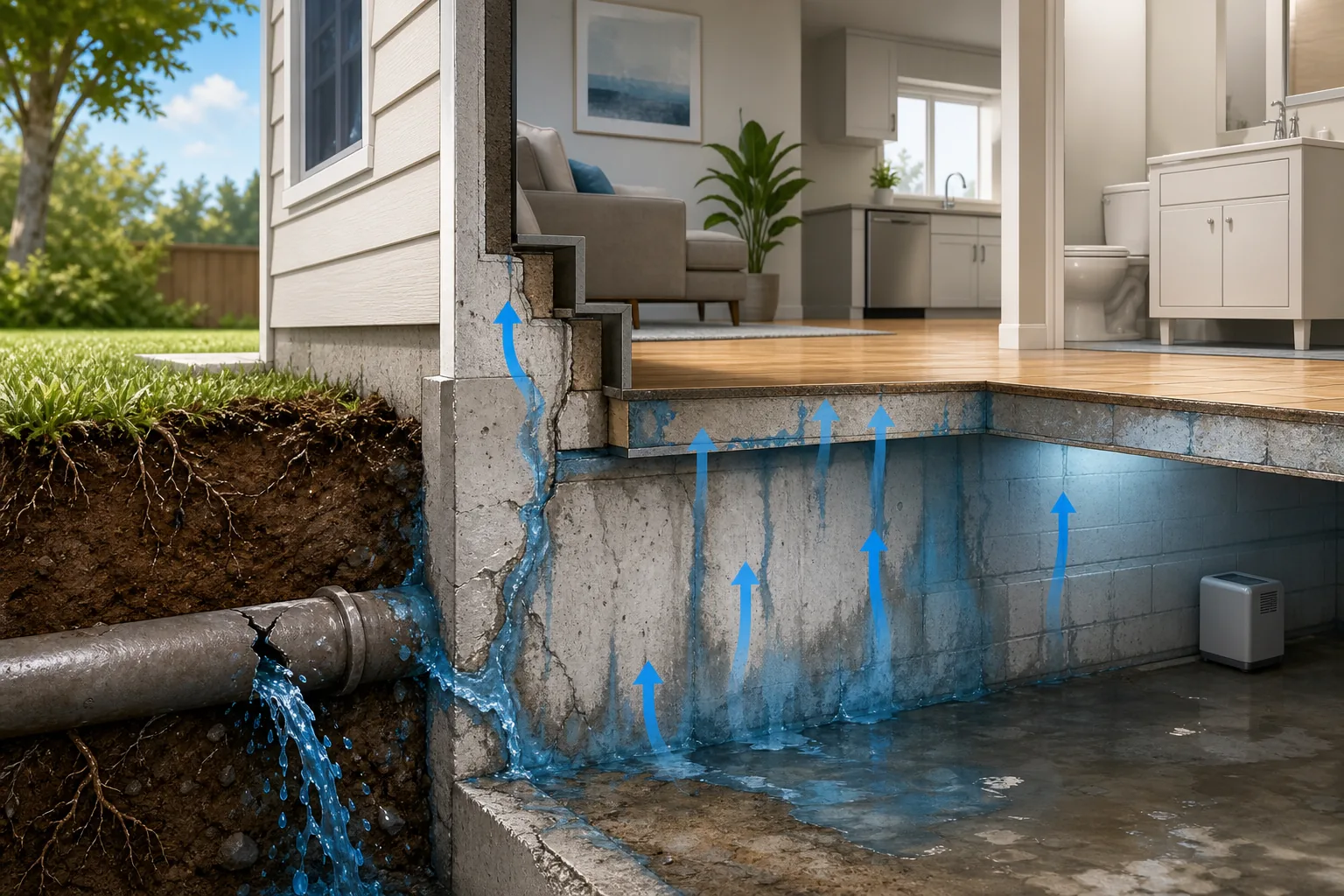
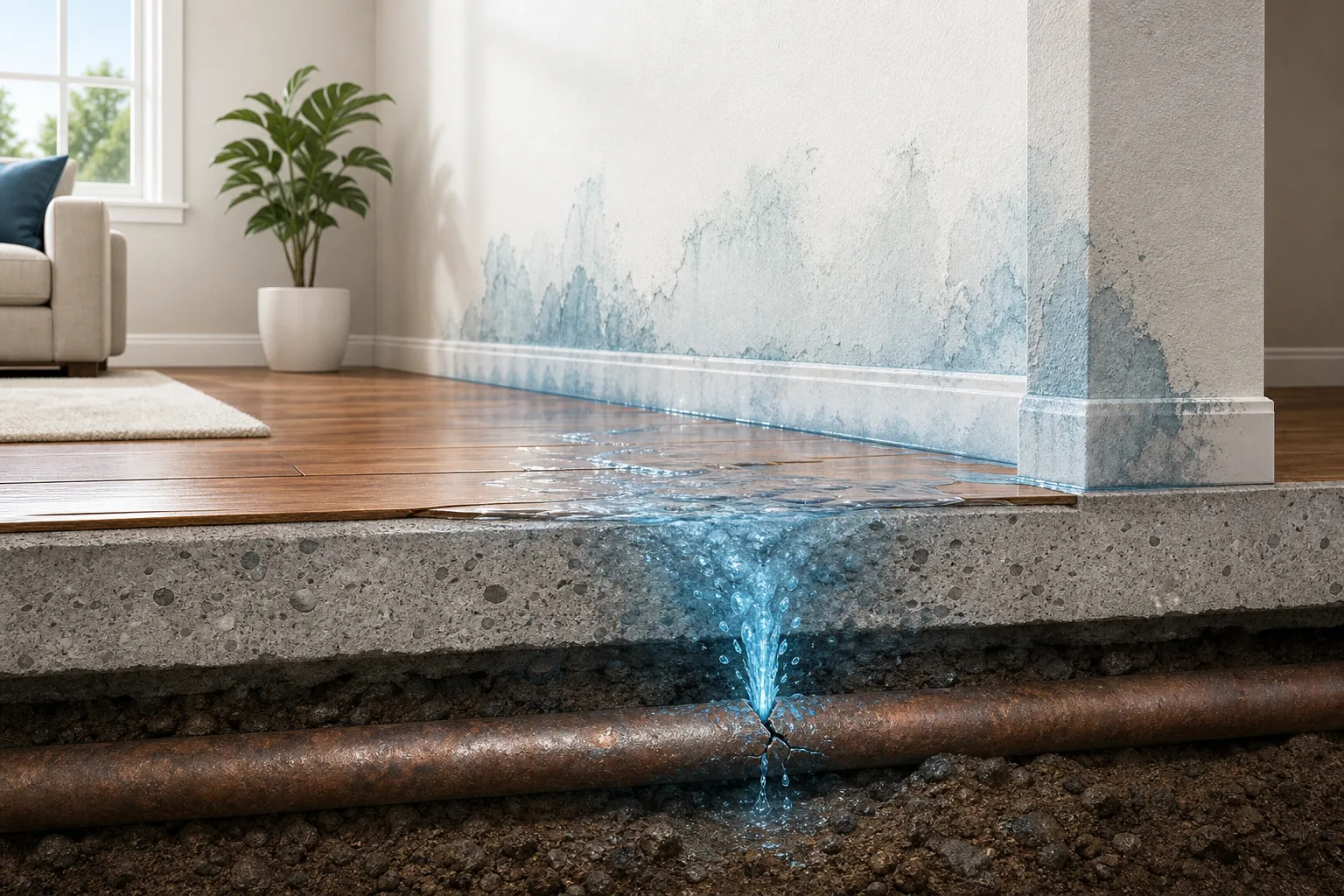
Other signs include a metallic taste, a faint smell of copper, and staining on sinks, tubs, or laundry. Low water pressure or frequent drops in pressure can signal pinhole leaks caused by pitting corrosion, which creates tiny holes that let water escape.
Unexplained spikes in your water bill may also point to hidden leaks, especially in low‑use fixtures like guest‑room bathrooms where water sits idle for long periods.
For a deeper dive on spotting early warning signs, see our guide on copper pipe maintenance . It walks through checks you can do yourself.
When you notice any of these symptoms, it’s time to test your water. A simple water test kit can reveal the copper concentration in parts per million, allowing you to compare results to applicable regulatory guidelines.
3. How Usage Patterns Influence Corrosion Risk
How often you run water matters more than you might think. Stagnant water gives copper more time to dissolve, especially in low‑use areas like guest bathrooms or infrequently used outdoor spigots.
Regulations set action levels at 1.3 ppm for copper. If more than 10 % of sampled taps exceed that level, water utilities must take corrective action, which can include adjusting water chemistry or replacing service lines.
Homes that run water continuously, for example, using a circulation pump for hot water, tend to keep copper concentrations lower because fresh water constantly flushes the system.
In Orange County, many homes have low‑flow fixtures that encourage stagnation. A simple habit of opening each faucet for a few seconds each week can dramatically cut copper leaching.
Pro Tip: Periodically flush rarely used fixtures by running water for a short time to keep copper levels in check.
4. Preventative Measures and Treatment Options
There are three tiers of defense against copper corrosion. The first tier focuses on water‑treatment adjustments: raising the pH with neutralizing filters creates a less aggressive environment for copper.
Second‑tier solutions involve point‑of‑use devices. Activated alumina filters can strip out copper particles and protect downstream fixtures.
When chemistry fixes aren’t enough, the third tier is a full repipe. Compare PEX and copper repiping options . Replacing copper with PEX eliminates the corrosion problem entirely because PEX does not react with water chemistry. For homeowners who prefer copper’s look, a hybrid approach uses copper for exposed runs and PEX for hidden sections.
Municipal corrosion‑control programs often recommend pH adjustment to reduce copper release in water systems.
Our team at Repipe OC often recommends a repipe when copper levels consistently exceed regulatory limits despite treatment. The warranty‑backed repiping service we provide gives you peace of mind for decades.
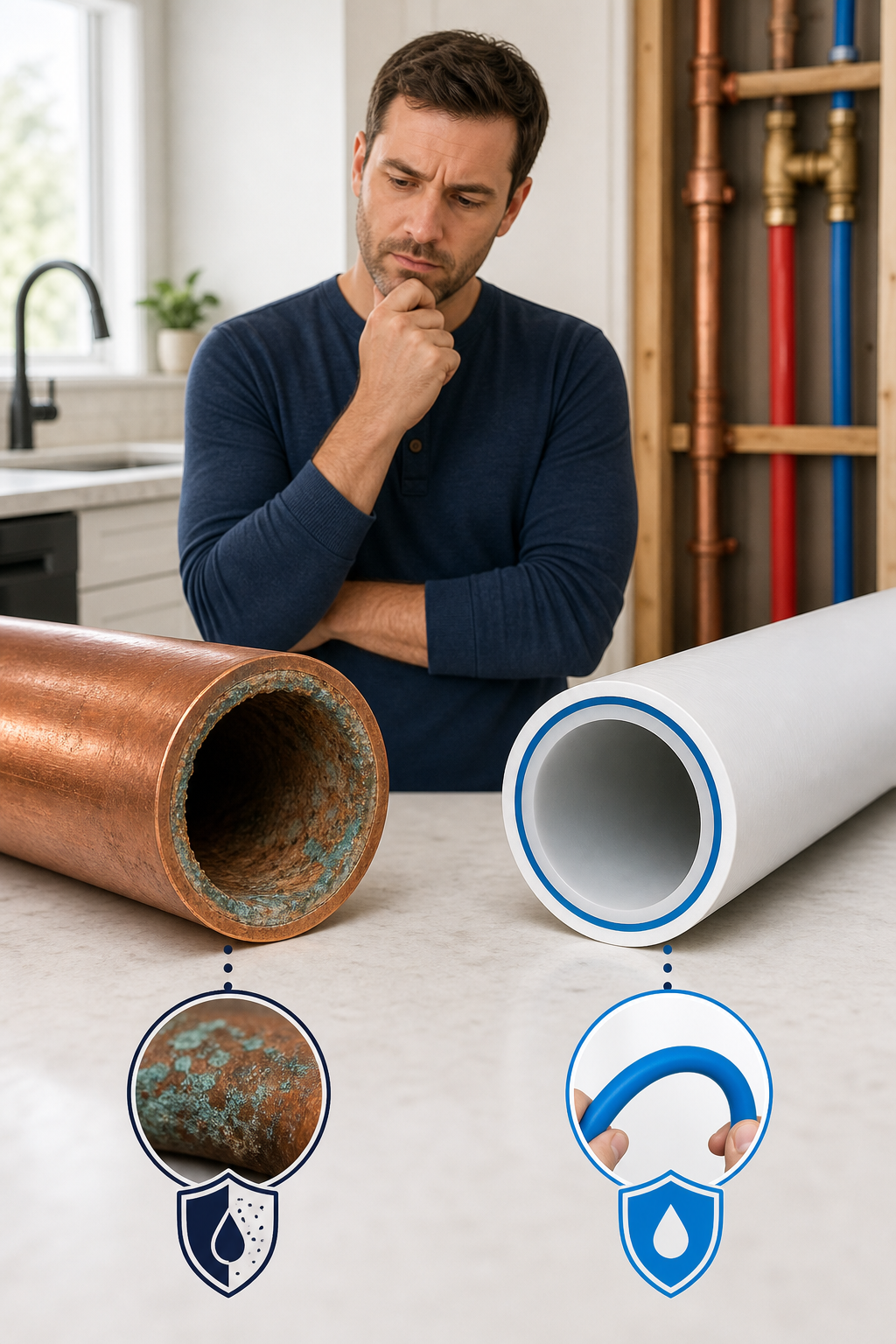
5. When to Call a Professional Repiping Service
If you see any combination of discoloration, metallic taste, low pressure, or hidden leaks, it’s time to call a pro. A qualified plumber can perform a full system audit, run copper concentration tests, and advise whether a water‑treatment fix or a complete repipe is the right path.
In older homes, copper often reaches the end of its 40‑50 year lifespan. At that point, even new treatment methods may struggle to keep corrosion at bay. A whole‑home repipe not only restores water quality but also boosts property value.
We recommend Repipe OC for any Orange County homeowner facing these issues. Our 25‑year transferable warranty covers both parts and labor, and we offer free on‑site estimates so you know exactly what to expect. Repiping guide for Aliso Viejo . Read our step‑by‑step repipe cost guide .
When you schedule an assessment, our crew will check for pitting, inspect pipe joints, and map out any hidden leaks. If we find extensive damage, we’ll lay out a phased repipe plan that minimizes disruption.
FAQ
What is copper pipe corrosion?
Copper pipe corrosion is the chemical breakdown of copper piping caused by aggressive water chemistry, which can release copper into your drinking water and weaken the pipe walls.
How can I tell if my water has high copper levels?
You can have a certified laboratory analyze a water sample; professional testing can identify elevated copper concentrations.
Does flushing my taps really help?
Yes, flushing removes stagnant water that has accumulated copper, lowering the concentration of metal in the first‑draw water.
Can I treat the water instead of repiping?
Water‑treatment methods like pH adjustment can reduce copper leaching, but they may not stop corrosion if the pipe material is already degraded.
When is a full repipe the best option?
A full repipe is advisable when copper levels stay high despite treatment, when you see frequent leaks, or when your home’s copper pipes are over 40 years old.
Conclusion
If corrosion signs are showing up in your home, let Repipe OC evaluate your system and recommend the right fix. Read our repipe benefits guide and schedule a free on‑site estimate today.
Comments