
Water Damage Restoration: What to Do Next

Water damage can spread before the first cleanup tool comes out. Move fast, but don't rush into unsafe work. The right response starts with safety, source control, water removal, careful drying, and a clear repair plan. Repipe OC's water damage causes and signs guide can help Orange County homeowners recognize hidden problems early.
Use these five steps to limit damage, protect your health, and decide when Repipe OC can help with the plumbing source in Orange County.
Table of Contents
Step 1: Make the Area Safe and Identify the Water Category
Water damage restoration starts with a safe work area. Keep people and pets away from standing water until you know what caused it and whether electricity is involved.
Do not enter water near outlets, appliances, electrical panels, or damaged wiring. If you can reach the main water valve without crossing unsafe water, shut it off. If the water came from a sewage backup, toilet overflow, outside flood, or another dirty source, avoid contact with your skin.
Next, identify the source. A broken supply line may need a plumber. A roof leak needs roof work. A failed water heater, slab leak, or burst pipe needs plumbing service before drying can work.
Repipe OC can help Orange County homeowners locate and control a plumbing leak. Our burst pipe emergency guidance explains the first actions to take when a pipe failure is sending water through the home.
Restoration crews often describe water as clean, gray, or black. Clean water may come from a broken supply line. Gray water may contain contaminants from an appliance or used fixture. Black water may contain sewage or other dangerous material. The dirtier the source, the less suitable the job is for do-it-yourself cleanup.
Water source | Typical concern | Safer next move |
Clean supply water | Fast absorption into drywall, flooring, and cabinets | Stop the source and begin prompt extraction |
Gray water | Contaminants may spread through porous materials | Keep people away and arrange a professional assessment |
Black water | Serious contamination and health risk | Leave the area and use trained remediation help |
Unknown source | Hidden damage or unsafe conditions | Treat it as unsafe until assessed |
Take photos from a dry, safe area. Record when you found the loss and what was wet. Don't turn on fans over visible mold or discolored material. Air movement can sps.
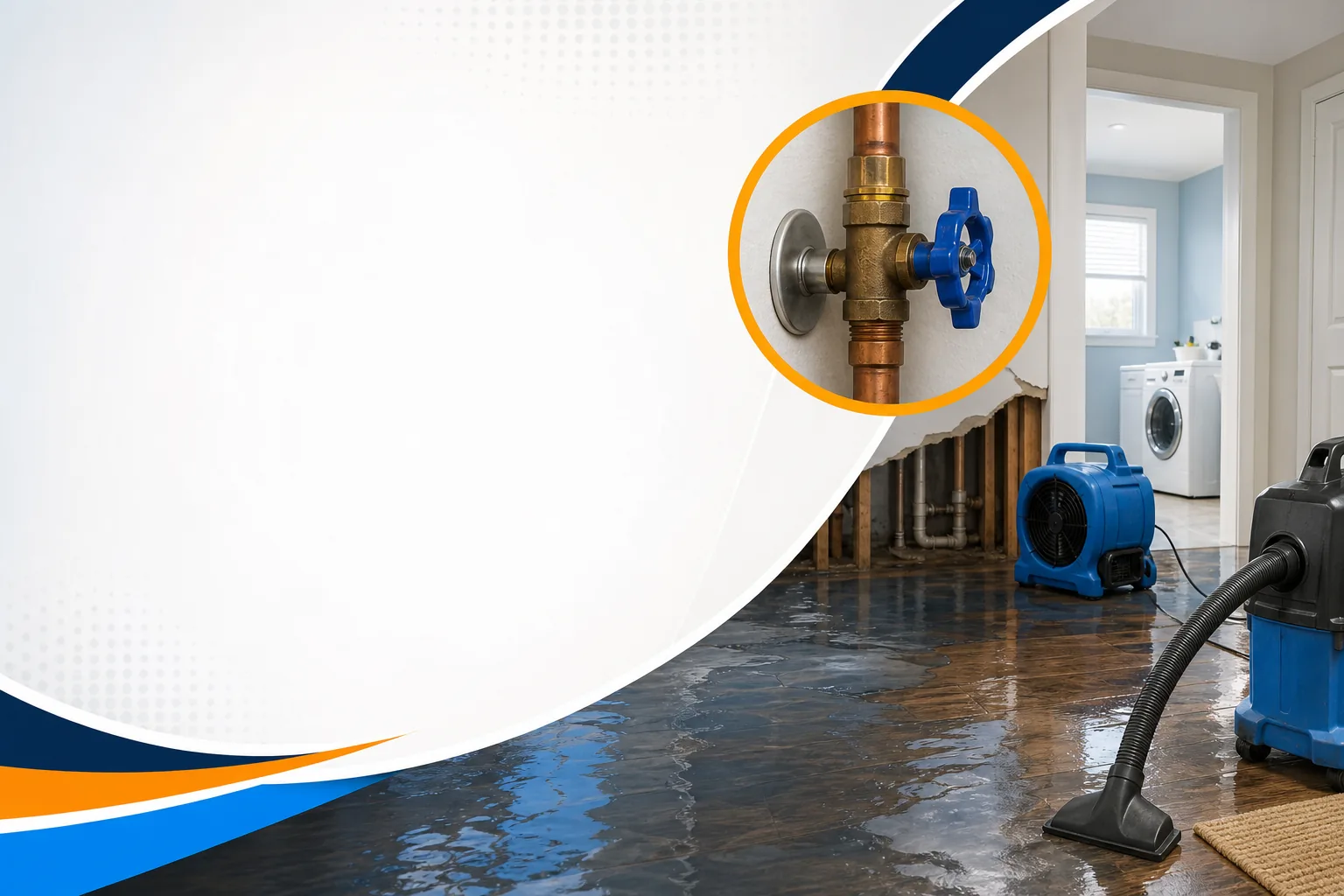
Key Takeaway:Stop the water only when it is safe, then identify whether the loss is clean, gray, black, or unknown.
Step 2: Arrange a Professional Assessment, Source Control, and Documentation
Professional water damage restoration looks beyond the wet spot you can see. Moisture may have moved behind drywall, below flooring, into insulation, or inside cabinets.
A trained technician should inspect the affected rooms and trace the likely path of the water. Moisture meters can help find wet areas that are hidden from view. A small ceiling stain may point to a much wider problem above it.
Source control comes first. The plumber must stop the leak before a restoration crew can finish drying. Repipe OC handles residential and commercial repiping in Orange County, so we can assess whether aging or failed pipes are behind repeat leaks. Our team also provides free on-site estimates for repiping work. When the source is unclear, our Orange County leak detection service can help locate pipe, copper, or slab leaks before repair decisions are made.
For suspected leaks beneath a floor, our slab leak repair service in South Orange County can help identify the plumbing issue that needs correction before repairs begin.
Start an insurance file as soon as possible. Coverage depends on your policy, the cause of loss, exclusions, and the facts of the claim. Don't assume that water damage automatically means every repair is covered.
Keep a simple record with:
Date and time you found the damage.
Likely source and steps taken to stop it.
Photos of each room, wall, ceiling, floor, and damaged item.
Receipts for emergency supplies, temporary lodging, or urgent work.
Names of people who inspect or repair the property.
Move personal items only when doing so is safe. Photograph them first. Make an inventory with the item name, condition, and location. Store salvageable contents in a clean, dry area where an adjuster can inspect them.
A good restoration file may include moisture readings, photos, drying records, an estimate, and notes about materials removed. Clear records help your insurer, contractor, and household work from the same facts.
Pro Tip:Keep damaged parts, valves, or failed fixtures when possible. They may help establish the source of the loss.
Step 3: Extract Standing Water and Dry the Structure
Water damage restoration moves into extraction once the source is controlled. The goal is to remove standing water before it soaks deeper into the building.
A wet vacuum can collect water from floors, carpets, and hard surfaces. It should not be used to vacuum porous mold-contaminated material. OSHA's guidance on mold cleanup also stresses that final cleanup with a HEPA vacuum comes after materials are dry and damaged contents have been removed.
Technicians choose extraction equipment based on the amount of water and the materials involved. Carpet, hardwood, drywall, subflooring, and insulation each respond differently. Some materials can dry in place. Others need controlled removal to expose the structure behind them.
After extraction, crews set air movers to push moisture out of wet materials. Dehumidifiers pull that moisture from the air. Air scrubbers may help control airborne particles when contamination is present. These machines need the right placement and regular checks. Turning them on without measuring progress is not a drying plan.
Technicians should take readings during the job. They compare wet materials with unaffected areas and adjust equipment as conditions change. Drying often continues for several days, depending on the amount of water, the building materials, and how long the loss sat before cleanup began.
Do not blast air across visible mold or sewage contamination. You may spread particles into nearby rooms or the heating and cooling system. A professional can decide when air movement is safe and what protective controls are needed.
For a plumbing loss in an Orange County home, Repipe OC can address the pipe problem while a restoration partner handles extraction and structural drying. That division matters. Drying cannot stop a leak that is still active.
Water removal is complete only when readings support it, not when the floor feels dry. Hidden moisture can remain under flooring or inside wall cavities.
OSHA's mold cleanup guidance
Step 4: Remediate Contamination, Mold Risk, and Damaged Materials
Water damage restoration may include cleaning, containment, removal, and repair. The right method depends on the water category, the material, and the amount of contamination.
Porous materials can hold water and contaminants below the surface. Wet insulation, damaged drywall, swollen particleboard, and saturated carpet may not be worth saving. A restoration professional can mark what needs removal and use controlled demolition to expose wet areas without spreading debris through the home.
Nonporous surfaces may be cleaned with water and detergent, then dried quickly. OSHA advises that mold-contaminated materials that cannot be saved should be sealed in impermeable bags or closed containers while inside the work area.
Containment may include work-area separation, negative air, protective clothing, gloves, eye protection, and a properly selected respirator. The exact controls depend on the job. Mold cleanup is not the time to guess at protective gear.
Be careful with cleaning chemicals. Bleach is not a routine answer for every mold problem. Never mix bleach with ammonia. That combination can release dangerous gases. Ventilation and safe product use matter more than a strong smell or harsh treatment.
Don't cut into walls, remove insulation, or disturb moldy material until you understand what is behind it. A small opening can spread dust into a much larger part of the home.
When mold or sewage is present, trained remediation help is the safer choice. Ask how the crew will contain the area, protect unaffected rooms, bag removed materials, clean surfaces, and confirm that drying is complete.
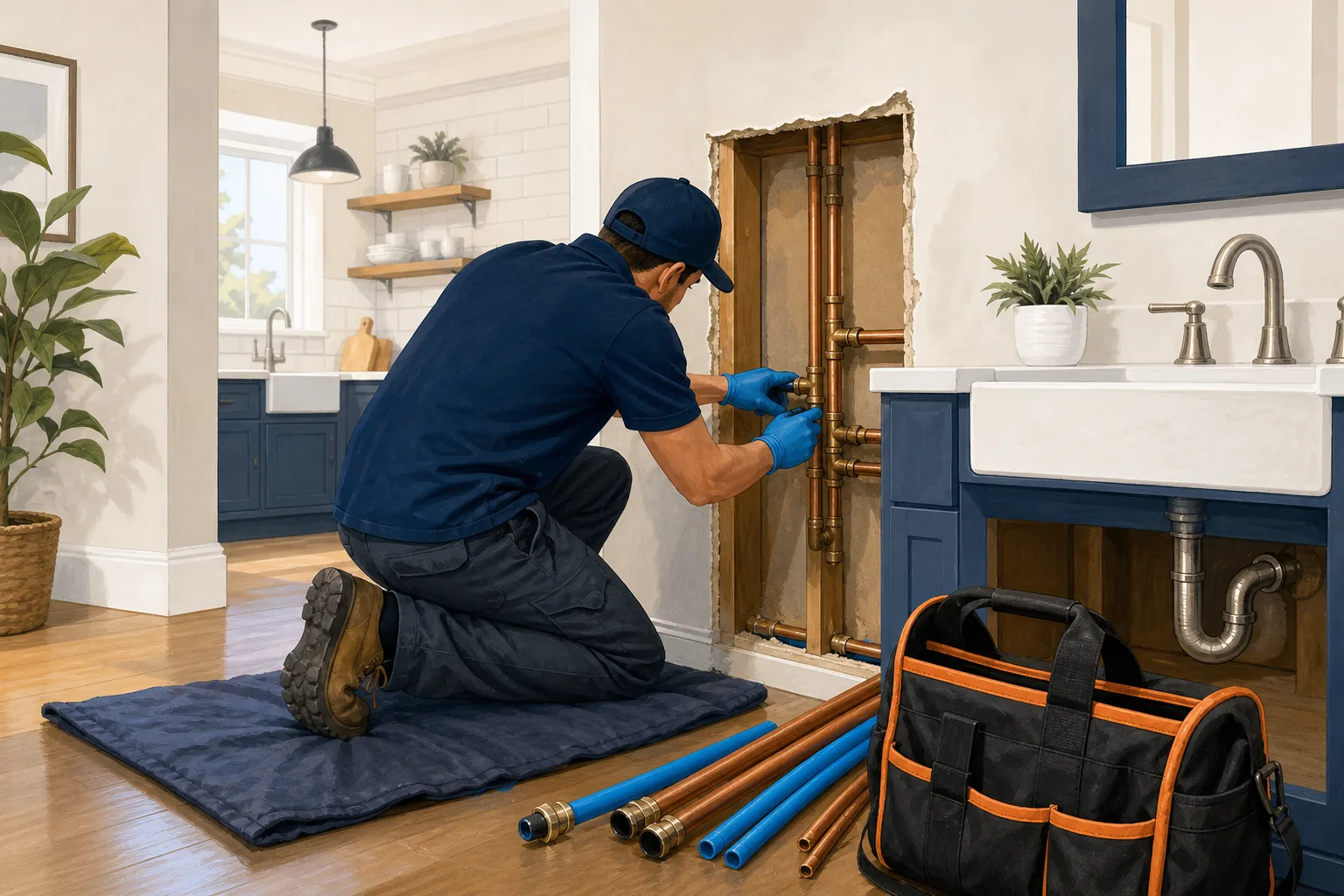
Key Takeaway:Dry materials before final cleanup, isolate contaminated work, and remove porous materials that cannot be safely restored.
Step 5: Complete Repairs, Restore the Property, and Prevent Repeat Damage
Restoration ends with rebuilding the parts of the property that could not be saved. Repairs should begin only after the structure is dry and the source is fixed.
Reconstruction may include drywall, flooring, trim, paint, cabinets, insulation, or other finish work. A full-service restoration team may coordinate these trades. Ask for a written scope that separates emergency mitigation from permanent repairs.
Insurance coordination can continue during this phase. Share estimates, photos, invoices, moisture records, and the contents inventory with your adjuster. Coverage decisions belong to your insurer, but organized documentation gives everyone a clear record.
For a plumbing-related loss, the permanent fix may involve more than replacing one fitting. Repeated pinhole leaks, poor pipe condition, or multiple failures may point to a repiping need. Repipe OC provides full-service repiping for Orange County homes, multifamily buildings, commercial properties, HOAs, and rental investments.
Our repiping insurance coverage guide explains why pipe replacement and water-damage claims are separate questions that need careful review.
Prevention starts with the source of the loss. Check exposed supply lines and shutoff valves. Know where the main water shutoff is. Replace worn hoses before they fail. Keep gutters and roof drainage clear. If you leave the home for a long period, consider how a leak would be found and stopped.
Property managers and HOA boards should keep a response plan with shutoff locations, vendor contacts, access rules, and an inventory of critical building systems. A written plan reduces delay when a unit or shared wall begins to leak.
Homeowners planning a major repair can also use basic project controls: define the scope, assign decision makers, track changes, and confirm each handoff. Those skills apply to many renovation projects, and PMP exam prep course comparisons can help project leads review study options when formal project training is part of their career plan.
Repipe OC backs its repiping work with a 25-year transferable warranty and free on-site estimates. Ask what materials will be used, how access openings will be repaired, and what warranty terms apply before work starts.
Water Damage Restoration FAQ
How quickly should water damage restoration start?
Water damage restoration should start as soon as the area is safe and the source is controlled. Water can move into drywall, flooring, insulation, cabinets, and personal property while the surface still looks manageable. For an active plumbing leak, arrange source control first. Then begin extraction and professional drying without waiting for visible mold.
Can I clean up water damage myself?
You may handle a small clean-water spill when no electricity, sewage, mold, or hidden moisture is involved. A professional is safer for standing water, gray or black water, soaked walls, ceiling stains, repeated leaks, or damage beneath flooring. Do not use fans over moldy or discolored material, because air movement may sps.
What are the three categories of water damage?
The three common categories are clean water, gray water, and black water. Clean water comes from a sanitary supply source. Gray water contains some contaminants. Black water may contain sewage or other dangerous material. Water damage restoration methods become more controlled as the contamination risk rises, especially when porous materials are wet.
Will insurance pay for water damage restoration?
Insurance may pay for some water damage restoration, but coverage depends on your policy and the cause of the loss. Sudden damage from a covered event may be treated differently from gradual wear, poor maintenance, or an excluded flood. Photograph the damage, save receipts, and ask your insurer what records it needs before permanent repairs begin.
How much does water damage restoration cost?
Water damage restoration costs vary because the source, affected area, water category, materials, drying time, contents, and repairs differ from job to job. A small clean-water extraction is very different from a sewage loss with demolition and reconstruction. Get a written assessment that separates mitigation, remediation, contents work, and rebuilding.
When should I call Repipe OC?
Contact Repipe OC when a burst pipe, slab leak, aging supply line, or repeated plumbing failure may have caused the damage. Our team can help with leak control and repiping in Orange County, while restoration professionals handle extraction and drying. We provide free on-site estimates and a 25-year transferable warranty for repiping work.
Conclusion
Act safely, stop the source, document the loss, and bring in trained help when water has reached walls, floors, insulation, sewage, or mold. If the cause is a failing plumbing system in Orange County, arrange an assessment with Repipe OC so the leak is fixed before the restoration work is finished.


Comments