
Best CPVC vs PEX Options for Orange County Homes

Choosing the right pipe for a repipe can feel like a gamble. Here’s a short list of the ten most important options, and who each one works best for.
1. Repipe OC (Our Top Pick) , Expert CPVC & PEX Repiping Services
Repipe OC provides full‑house repiping for Orange County homes. We handle everything from material selection to a 25‑year transferable warranty. Homeowners who want one‑stop peace of mind choose us because we eliminate the need to pick a single pipe type.
Our crew works with both CPVC and PEX, so you get the material that fits your budget and performance needs. We’ve helped families in Laguna Niguel and Mission Viejo upgrade aging systems without a mess. Cost to Repipe a Home: Step‑by‑Step Guide shows how our pricing stays competitive.
Because we use top‑quality fittings and follow local code, you avoid surprise repairs down the line. The only downside is that a full‑house job costs more upfront than a DIY patch.
2. Durability & Lifespan , How Long Each Pipe Lasts
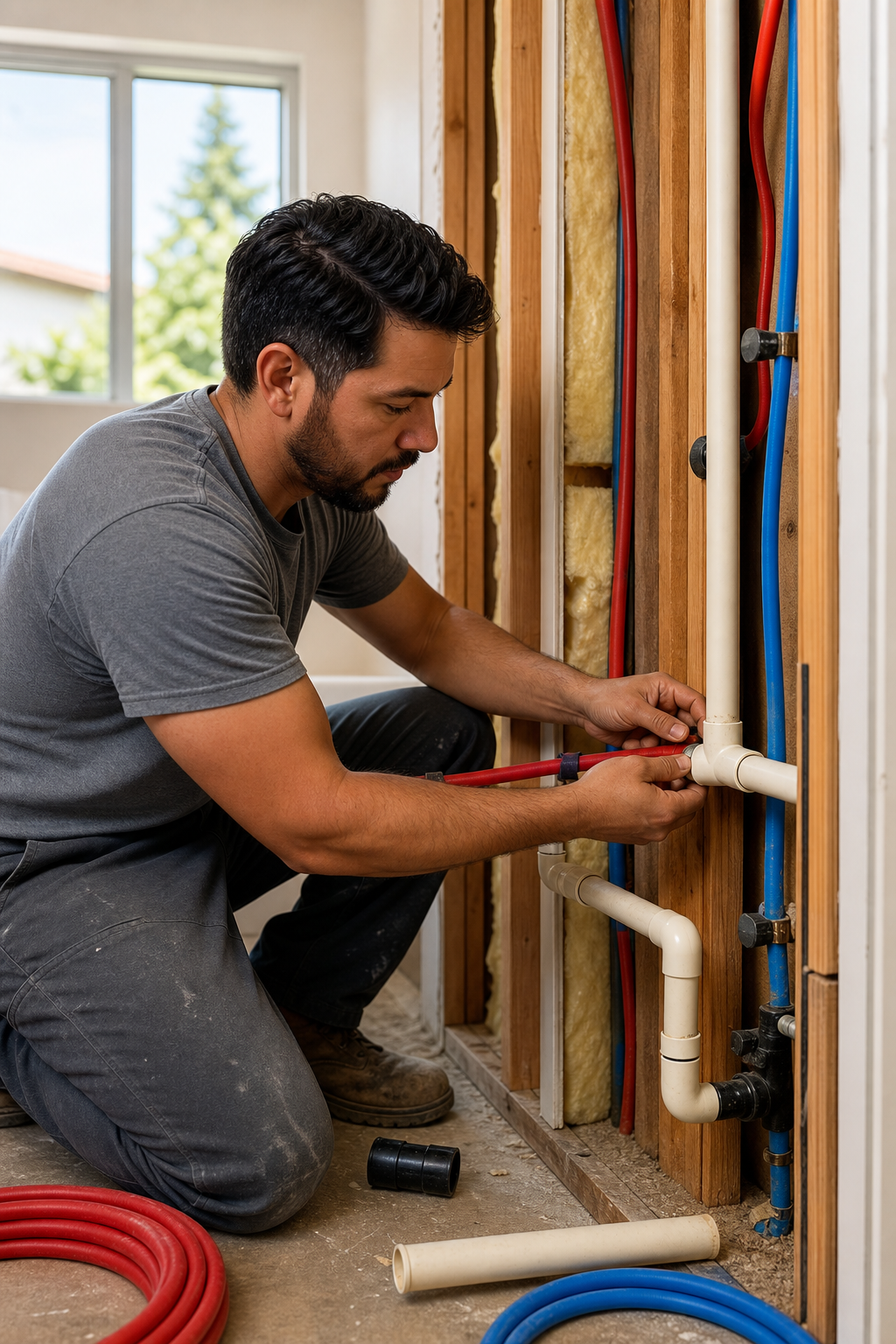
CPVC has been trusted in plumbing since the 1960s and can last decades when installed right. High‑quality CPVC meets ASTM standards and resists impact, chlorine, and heat up to 200 °F. [1]
Modern CPVC from reputable U.S. makers often exceeds 50 years of service. The main risk is brittleness if the pipe sits in direct sunlight or is exposed to extreme temperature swings.
PEX typically carries a 25‑year warranty and can survive freeze‑thaw cycles by expanding. Its flexibility gives it a long life, but poor fitting installation can shorten that span.
Both materials need proper support and protection from UV. CPVC’s schedule 80 version is especially strong for hot‑water lines.
Key Takeaway:CPVC excels in heat resistance, while PEX shines in flexibility and freeze‑thaw durability.
3. Water Pressure & Flow , Performance Under Demand
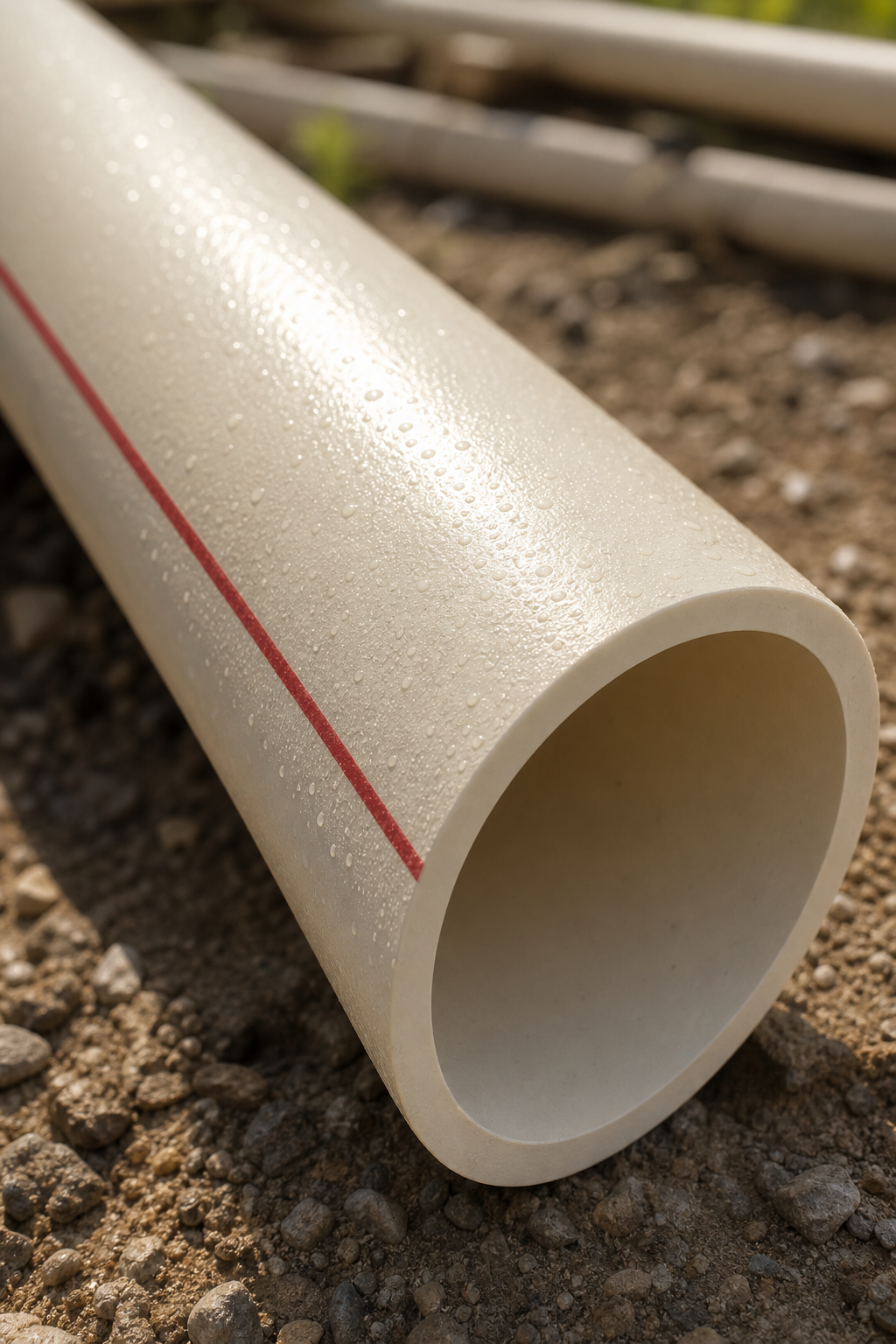
Water flow matters when you run multiple showers at once. CPVC fittings keep the pipe’s inner diameter steady, so pressure loss stays low. FlowGuard CPVC, for example, adds only 0.3 psi of drop per fitting. [2]
PEX fittings can shrink the effective diameter by up to 35 %, which adds 2, 3 psi of loss per fitting. That means larger runs may need upsizing, raising material costs.
Both materials hold up to 100 psi, but CPVC’s chlorine immunity keeps pressure steady in treated water systems.
When you need high flow for large families, CPVC often delivers smoother performance.
Choosing the right pipe size and minimizing fittings helps keep water pressure strong throughout the house.
Pro Tip:Ask your installer to measure pressure loss at each major branch to catch hidden flow drops.
4. Flexibility & Kink Resistance , Installation Ease
PEX is famous for bending around corners without a sweat. Its cross‑linked structure lets you make tight turns with few fittings, cutting labor time.
CPVC is rigid, so you need elbows and more joints. That adds material cost and can introduce leak points if not glued perfectly.
Both need a cutter, but PEX also needs a crimp tool or a similar fitting method, which most pros have on hand. CPVC needs solvent cement and sometimes a primer.
For DIY‑friendly projects, PEX wins on ease. For a professional crew that already handles solvent welding, CPVC isn’t a hassle.
Just remember: never force a CPVC bend; it will crack.
5. UV & Sunlight Resistance , Suitability for Exposed Runs
CPVC can include UV blockers like carbon black and titanium dioxide, letting it survive short outdoor exposure. Research indicates CPVC retains pressure strength after prolonged sunlight exposure.
PEX degrades quickly under UV; even a month in direct sun can cut its lifespan by 20 %.
If you must run pipe through a crawlspace that gets daylight, cover the CPVC with a tarp or paint it. PEX should stay fully concealed.
Homeowners with roof‑overhangs or garden irrigation lines benefit from CPVC’s UV tolerance.
We recommend checking local code for outdoor pipe exposure limits.
Key Takeaway:CPVC handles brief sun exposure better than PEX, but both prefer shade.
Repipe Services Explained: Benefits and Process
6. Cost & Installation Complexity , Budget Considerations
Material cost per foot isn’t the whole story. CPVC tubing costs a bit more than bare‑bones PEX, but its fittings are cheaper and install faster than PEX’s crimp rings.
Labor time drives the bulk of the bill. CPVC’s solvent‑weld can be completed in half the time of a PEX system that requires multiple crimp tools and fitting checks.
Because Repipe OC bundles material, labor, permits, and a warranty, homeowners see a single price that’s often lower than DIY piecing together separate parts.
The only caution: if you opt for a DIY approach, PEX’s cheaper parts may look attractive, but you risk hidden labor costs if you need a pro to finish the job.
7. Noise & Vibration , Quiet Operation Factors
PEX’s flexibility dampens water hammer, making it virtually silent when you shut off a faucet. Homeowners love the reduced bang‑clank noise in older houses.
CPVC is stiffer, so sudden shut‑offs can cause a faint click, but it’s still quieter than copper.
If you have a multi‑story home with long runs, PEX’s quietness can improve bedroom comfort.
Installing additional fittings can further quiet CPVD systems.
8. Freeze‑Thaw Performance , Cold Weather Reliability
When temperatures dip below 20 °F, water in uninsulated pipes begins to freeze. PEX expands up to three times its diameter, letting it survive a burst better than rigid pipes.[4]
CPVC is rigid and can crack if ice expands inside. That makes it risky for exposed exterior runs in Orange County’s occasional cold snaps.
Insulating any pipe, whether PEX or CPVC, adds a safety margin. A home‑run manifold layout with PEX lets you shut off sections individually, reducing freeze risk.
For homes near the hills, we often recommend PEX for the longest exterior runs and CPVC for interior hot‑water loops.
9. Environmental Impact & Recyclability
Both CPVC and PEX are plastic, but their life‑cycle footprints differ. CPVC uses less petroleum in production and can be recycled into new PVC products.[5]
PEX manufacturing requires more energy and the material is harder to recycle because many grades contain additives.
Choosing CPVC where UV exposure is low can lower overall environmental impact, while PEX shines in water‑conservation projects due to its leak‑free joints.
Either way, a properly sized, leak‑free system reduces water waste, which is the biggest environmental win.
How is a PEX Repipe done?
10. Warranty & Code Compliance , Protection & Regulations
Repipe OC backs every full‑house install with a 25‑year transferable warranty, covering both CPVC and PEX components. That level of coverage is rare in the market.
CPVC typically carries a 10‑year limited warranty that may not transfer to new owners. PEX manufacturers often offer 25‑year warranties, but only if the installer is certified.
Both materials meet the California Plumbing Code, but local jurisdictions may have extra requirements for underground or exterior runs. Our team handles permits and inspections so you stay compliant.
The bottom line: a strong warranty plus professional installation protects your investment for decades.
Comparison Table: CPVC vs PEX Features
Feature | CPVC | PEX |
Max Temp | 200 °F | 180 °F (140 °F with chlorine) |
Pressure Rating | 100 psi (typical) | 100 psi |
Flexibility | Rigid – needs elbows | Highly flexible – bends easily |
UV Resistance | Good – UV blockers added | Poor – degrades quickly |
Freeze‑Thaw | Prone to cracking | Expands, resists burst |
Noise | Low‑moderate | Very quiet |
Warranty | 10 years (often non‑transferable) | 25 years (transferable if installed by certified pro) |
Recyclability | Yes – can be re‑processed into PVC | No – limited recycling options |
FAQ
What is the main difference between CPVC and PEX?
CPVC is a chlorinated plastic that handles higher temperatures, while PEX is a cross‑linked polyethylene that is flexible and freeze‑resistant. CPVC stays rigid; PEX bends.
Which pipe is better for a new whole‑house repipe in Orange County?
Repipe OC recommends a mixed approach: CPVC for hot‑water loops and PEX for interior cold‑water distribution, because that balances heat tolerance and flexibility.
Can I install CPVC or PEX myself?
You can buy the materials, but both require proper tools, solvent cement for CPVC and a crimp or push‑fit system for PEX. Mistakes often lead to leaks, so most homeowners hire a pro.
How does UV exposure affect these pipes?
CPVC contains UV blockers and keeps its strength after limited sunlight, while PEX degrades quickly and should stay fully concealed.
Do both materials meet California code?
Yes, both CPVD and PEX are approved by the California Plumbing Code, but local jurisdictions may have extra rules for outdoor or buried runs.
What warranty should I look for?
Look for a transferable warranty of at least 25 years on the installation. Repipe OC offers that on both CPVC and PEX when we do the full‑house job.
Conclusion
For Orange County homeowners, Repipe OC’s full‑house service is the safest bet; it lets you mix CPVC’s heat resistance with PEX’s flexibility while keeping the project under one warranty. Ready to upgrade? Get your free on‑site estimate today and lock in the best price.
Comments