
Repiping for Old Houses: A Step‑by‑Step Guide

Old homes love their charm, but aging pipes can hide a ticking time‑bomb. If you’re seeing rusty water, low pressure, or frequent leaks, it’s time to act. Follow these five steps to repipe your house safely and efficiently.
Table of Contents
Step 1: Check Whether Your Old House Needs Repiping
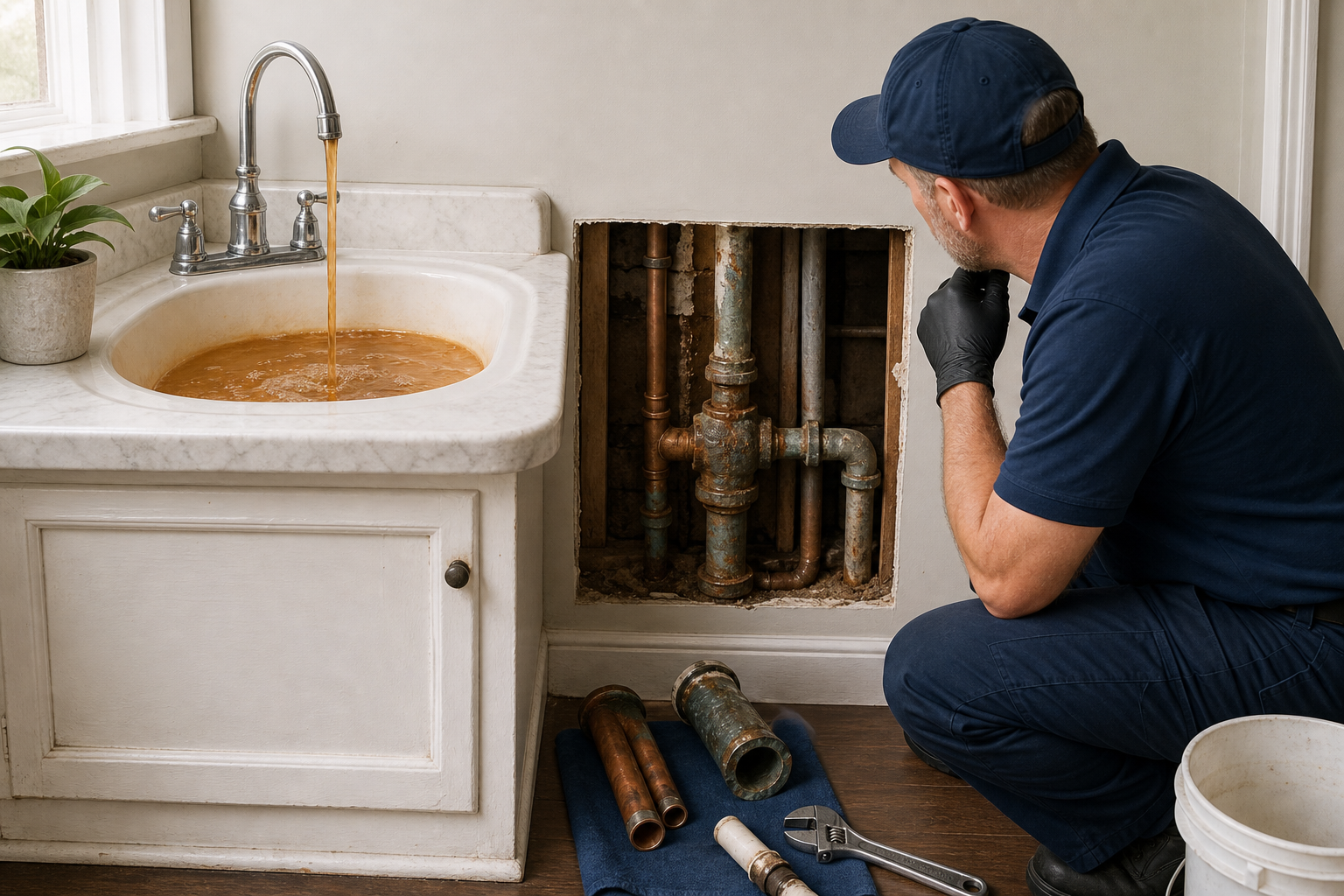
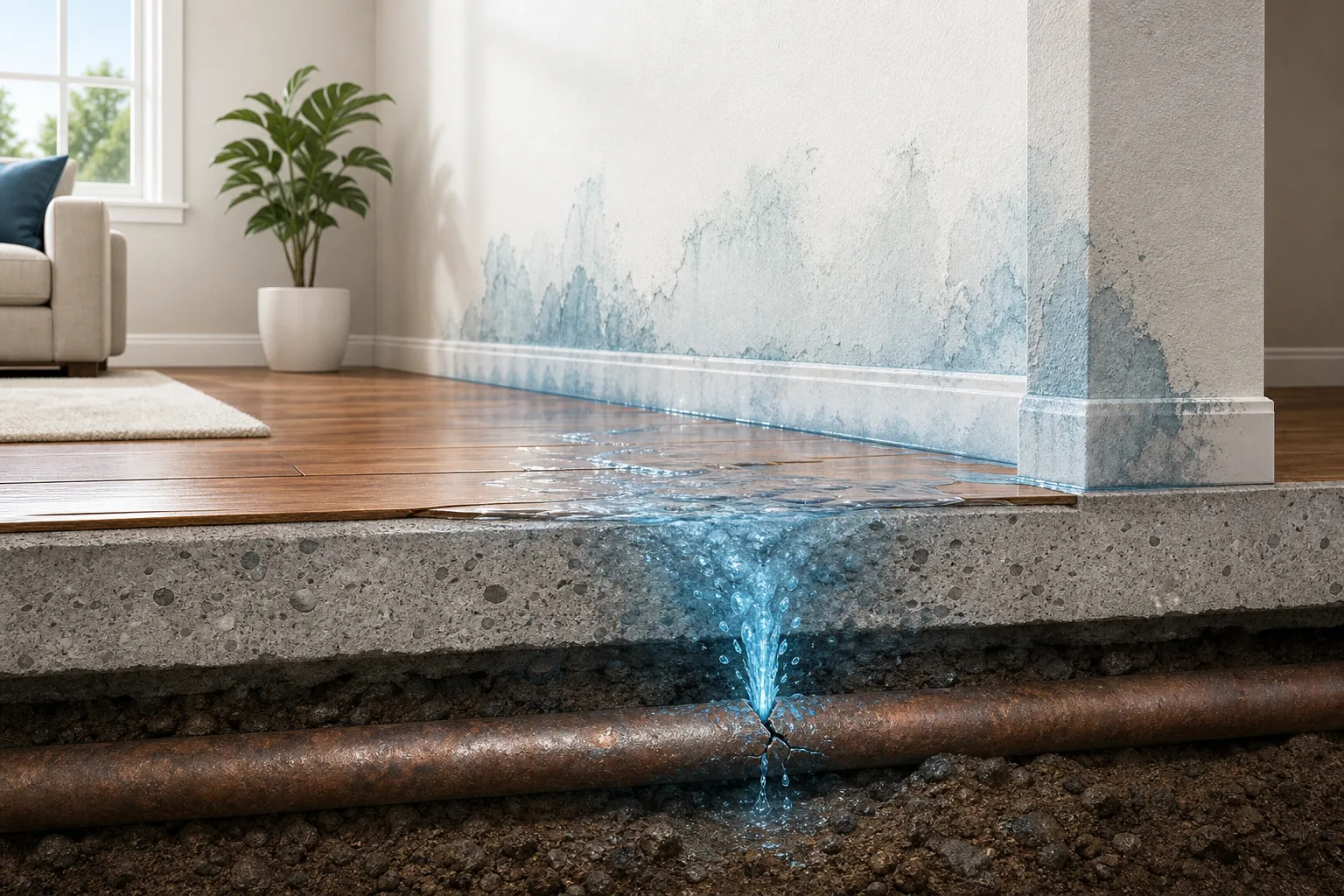
Start by looking for the classic warning signs: rust‑colored water, recurring pinhole leaks, and a steady drop in pressure across multiple fixtures. Those clues can indicate corrosion in galvanized steel or other older plumbing materials. A quick visual check for green patina on copper or flaking rust on metal pipes can confirm the problem.
When you spot any of these symptoms, schedule a professional inspection. A qualified plumber will trace the water flow, pressurize the system, and spot hidden leaks behind walls or slabs. Early detection lets you bundle the repipe with a remodel, saving you the hassle of tearing into finished spaces later.
Is Repiping Worth It? Guide for Orange County Homeowners explains why a full‑house repipe often costs less than repeated emergency repairs over the life of an older home.
Understanding the material helps. Galvanized steel, once common, corrodes from the inside out, narrowing the pipe diameter and releasing iron particles that tint the water brown. Galvanized steel can develop internal corrosion that affects water appearance and flow.
Step 2: Inspect the Plumbing and Choose Replacement Materials
After the initial check, a thorough on‑site inspection maps every pipe run, notes material types, and flags hard‑to‑reach sections. Common modern choices include nonmetallic piping and copper piping. Copper offers unmatched durability, high temperature tolerance, and a proven track record in exposed runs.
The right pick depends on your home’s layout and water chemistry. In Orange County’s hard‑water zones, discuss material selection with your plumber to determine the best fit for your home. If you prefer a material that handles UV exposure on exterior hose bibs, copper remains the go‑to.
Pro Tip:Ask your plumber to run a water‑quality test. High acidity or chlorine levels can affect material selection, so discuss options with your plumber.
Material Choices for Repiping: Which Is Right for Your Orange County Home? walks through the cost, lifespan, and installation differences in plain language.
For a deep dive on piping materials, see this reference article .
Step 3: Plan the Repiping Scope, Cost, and Schedule
With the material locked in, map out the exact scope: whole‑house versus zone‑by‑zone. A full repipe replaces every supply line from the meter to each fixture, eliminating hidden weak spots. Zone work can save money if only part of the system shows wear, but it leaves older pipes in place that could fail later.
Cost hinges on square footage, bathroom count, and access difficulty. Homes with slab foundations often need extra labor to reach underground runs, while crawl‑space layouts are simpler. Get a written estimate that breaks down material, labor, permits, and drywall repair so you can compare quotes side by side.
Remember to ask for a warranty that covers both parts and labor. A 25‑year transferable warranty, like the one Repipe OC offers, protects you if a joint leaks years down the line.
Whole House Repipe Cost: Top 8 Options & Pricing outlines typical price ranges for Orange County homes, helping you set a realistic budget.
Step 4: Complete the House Repiping Installation
On installation day, the crew first protects floors, furniture, and fixtures with drop cloths. They then cut strategic access holes, usually in closets, utility rooms, or ceiling joists, to reach the old lines while keeping wall damage to a minimum.
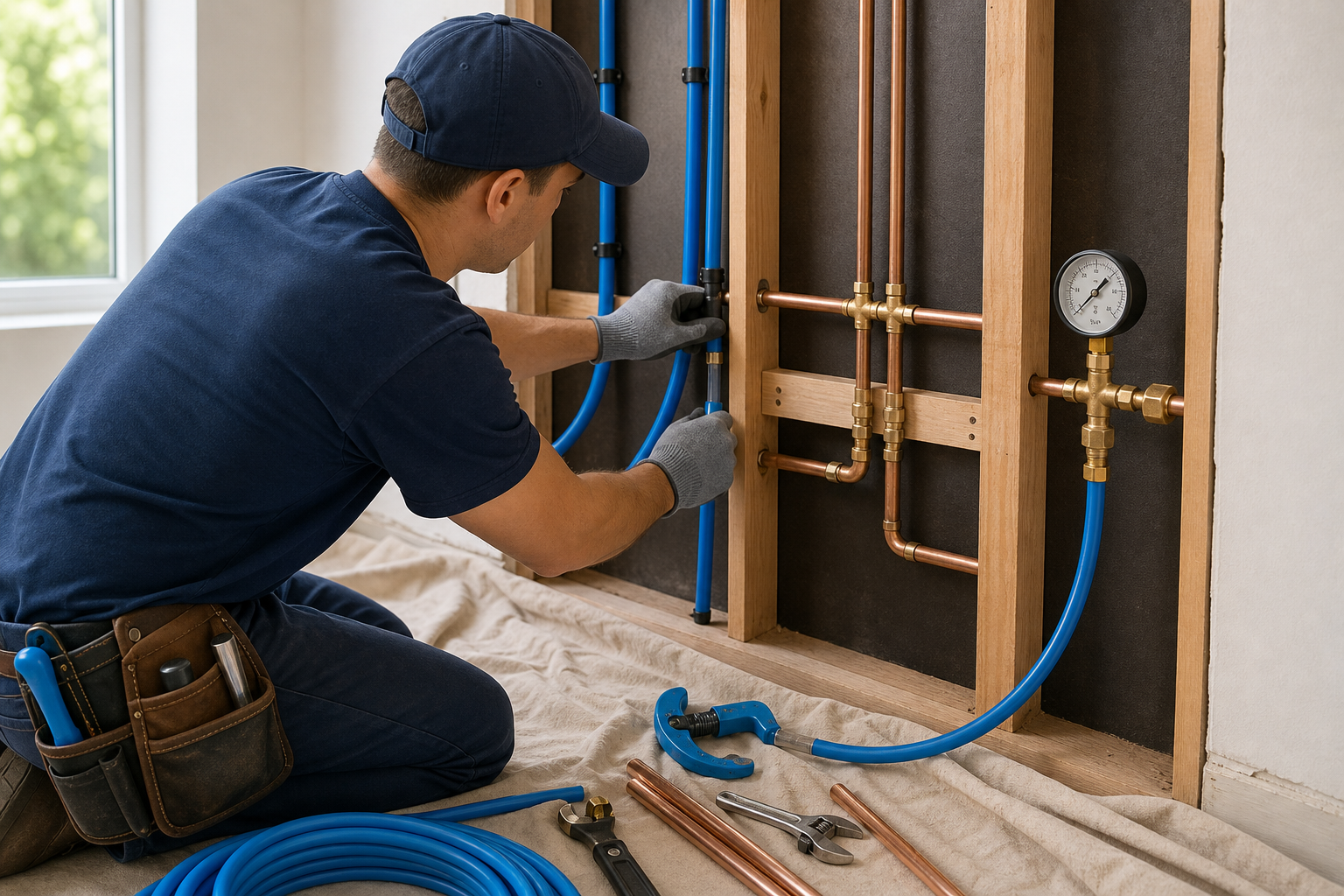
New piping is routed through attics, crawlspaces, or interior chases. If you chose a hybrid approach, PEX runs the main supply while copper stub‑outs finish at visible fixtures. The crew secures each pipe with proper supports, connects fittings, and checks for code‑required clearances.
Once the new network is in place, they shut off the water for a brief final connection, then pressure‑test every joint. The test holds at 1.5 times the normal operating pressure for at least 15 minutes. Passing the test means the system is leak‑free and ready for the next step.
Top 6 Repiping Pipe Materials Compared offers a handy matrix that shows when PEX, copper, or another approved piping material are best suited for your situation.
Key Takeaway:A well‑planned installation limits wall openings, uses the right material mix, and ends with a pressure test that guarantees a leak‑free system.
Step 5: Test the New System and Protect Your Investment
After the walls are patched, the final phase is testing and documentation. Technicians run a full‑system pressure test, then check flow at every faucet, shower, and appliance. Look for steady pressure and clear water without any discoloration.
Ask the crew to walk you through the system map they used, note the locations of shut‑off valves, and get a copy of the warranty paperwork. Proper maintenance, periodic flushing and checking valve operation, keeps the new pipes performing for decades.
For an accurate cost estimate that includes all the items above, see How to Get an Accurate Repiping Price Estimate in 2026 . The guide walks you through the exact numbers you’ll need to budget and compare quotes.
FAQ About Repiping for Old Houses
How do I know if my house needs repiping?
You need a repipe when you see any of these signs: rust‑colored water, multiple pinhole leaks, consistently low pressure across fixtures, or visible corrosion on exposed pipe sections. The first symptom often appears years before a catastrophic burst.
What material should I choose for an older home?
A qualified professional can help determine which piping option is appropriate for your older home. Your home's needs and local code will guide the final decision.
How much does a whole‑house repipe cost in Orange County?
Pricing varies depending on home size, number of bathrooms, and material choice. Getting multiple itemized quotes lets you compare labor, permits, and drywall repair costs.
Will repiping damage my walls or finishes?
Professional crews aim to keep wall openings to a minimum, using existing access points whenever possible. After the new pipes are installed, they patch the cuts and match the paint, leaving the home looking as it did before.
Can I stay in my home while the repipe is happening?
Most homeowners stay in the house; water is shut off only for short periods each day. The crew protects floors and furniture, and the work typically finishes within four days for an average two‑story home.
Conclusion
If your older home shows any of the red‑flag symptoms, the safest route is a full repipe with premium PEX or copper and a solid warranty. Contact Repipe OC for a free on‑site estimate and take the first step toward a leak‑free future.
Ready to put this into practice? Repipe OC was built for exactly this.
Comments