
Best repiping material comparison PEX vs CPVC
- Primewest Plumbing
- Aug 5
- 4 min read

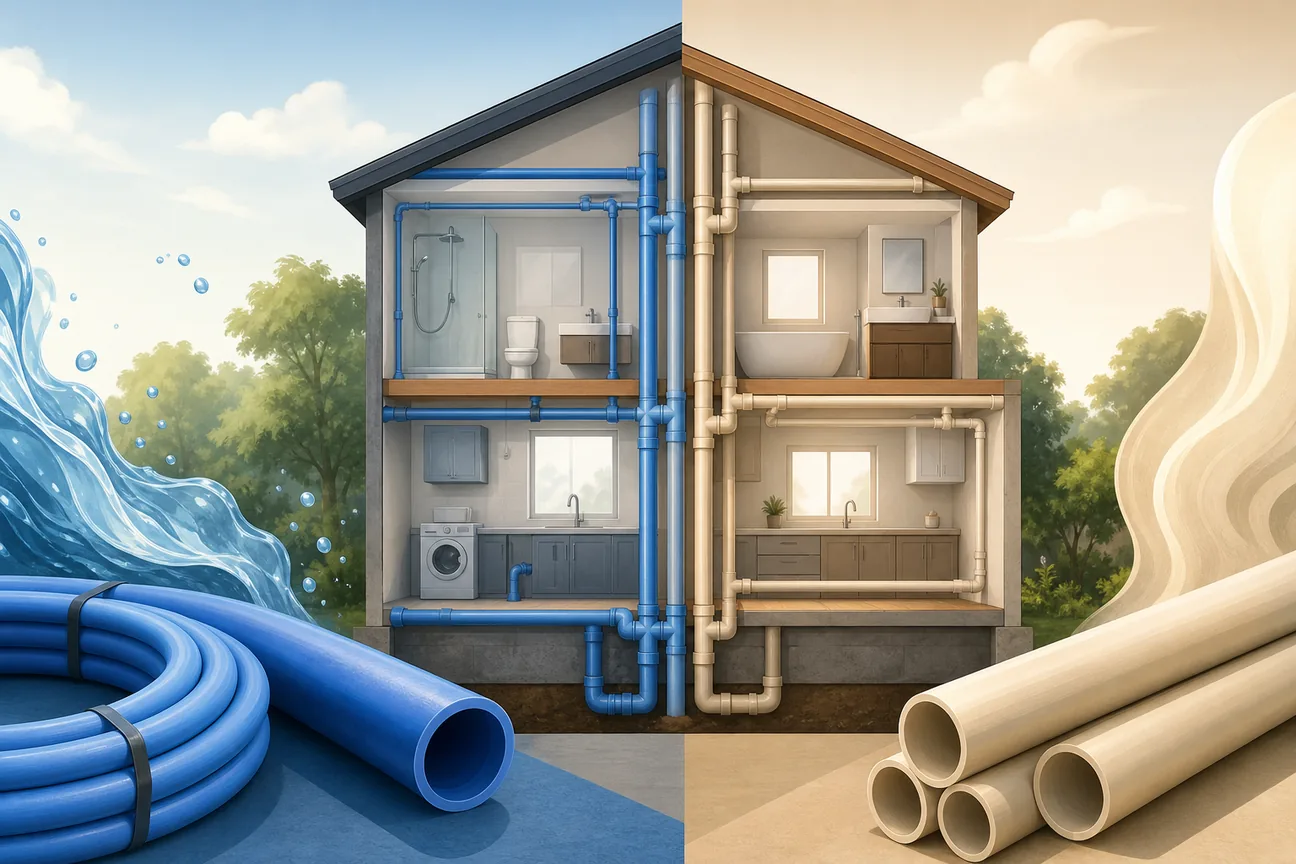
Choosing the right pipe can feel like a gamble, especially when the water you drink and the showers you take depend on it. Here are the top three options for a whole‑house repipe in Orange County, and who each one works best for. This CPVC vs PEX comparison for Orange County homes provides additional material guidance for homeowners weighing the options.
Table of Contents
1. Repipe OC (Our Top Pick)
Repipe OC handles every step of a full‑house repipe, from a free on‑site inspection to a 25‑year transferable warranty that moves with the house. The crew pulls out old tubing, installs fresh PEX or CPVC that meets current codes, pressure‑tests the system and restores walls to their original look.
Homeowners love the peace of mind that comes with a single price that covers materials, labor, permits and the warranty.
Because we work with both plastic options, we can match the material to the exact need, CPVC for hot‑water loops, PEX for interior cold‑water runs. That flexibility trims hidden costs and keeps pressure steady.
Our team also handles permits, inspections and 24/7 emergency support, so a burst pipe won’t keep you up at night.
Pro Tip:Ask your installer to run a pressure‑loss test on each branch. It catches hidden flow drops before they become costly leaks.
2. PEX — Flexible, Efficient Repiping for Concealed Plumbing
PEX (cross‑linked polyethylene) bends around studs, joists and tight corners without a sweat. Its flexibility lets installers cut down on fittings, which trims labor time and reduces leak points. The material holds a 100 psi rating at 180 °F, though chlorine in municipal water can lower the safe temperature to about 140 °F. Homeowners comparing materials can also review this guide to PEX versus copper repiping before choosing a system.
Because the pipe expands before it bursts, PEX survives freeze‑thaw cycles that crack rigid CPVC or copper. That makes it a solid choice for Orange County homes that see occasional cold snaps.
Installation does need a crimp or push‑fit tool, and the fittings shrink the internal diameter by up to 35 %, which can add a couple of psi of pressure loss per fitting. For long runs, upsizing the pipe offsets that loss and keeps flow strong.
Our crew uses certified tools and approved installation standards, so the 25‑year warranty stays intact even in chlorinated water.
Key Takeaway:PEX shines in tight spaces and freeze‑prone areas, but keep it hidden from direct sunlight to avoid UV degradation.
3. CPVC — A Usable Option for Hot and Cold Water Lines
CPVC (chlorinated polyvinyl chloride) handles temperatures up to 200 °F and resists chlorine by design. That makes it ideal for hot‑water loops that sit near water heaters. The material maintains a 100 psi rating and its fittings add only 0.3 psi of pressure drop, so flow stays steady even with many elbows.
Unlike PEX, CPVC is rigid. You’ll need elbows and solvent‑weld joints, which adds a bit of labor but also gives a clean, professional appearance. The fittings keep the pipe’s inner diameter consistent, so you avoid the flow penalties that PEX fittings can cause.
Because CPVC tolerates chlorinated water without losing strength, it’s a safe bet for Orange County’s municipal supply. Our installers follow ASTM standards to ensure the joints seal for decades.
When a home has long exterior runs or a dedicated hot‑water loop, CPVC often delivers smoother performance with fewer pressure drops.
Key Takeaway:CPVC excels where high heat and chlorine resistance matter, but keep it out of direct sunlight to prevent brittleness.
FAQ: PEX vs CPVC Repiping
Which material lasts longer in Orange County?
Both PEX and CPVC can last 40‑50 years when installed properly, but CPVC’s resistance to chlorine gives it a slight edge in longevity for hot‑water loops. For more detail on expected service life, see this explanation of how long PEX lasts .
Can I mix PEX and CPVC in the same house?
Yes. Repipe OC often uses CPVC for hot‑water lines and PEX for interior cold‑water runs, giving you the best of both worlds.
Is PEX safe with my city’s chlorinated water?
Standard PEX can degrade at temperatures above 140 °F when exposed to chlorine, so it’s best for cold‑water distribution. CPVC handles chlorine without losing strength.
Which option has lower installation cost?
PEX typically costs less per foot and requires fewer fittings, but the need for crimp tools can add to labor. CPVC’s solvent‑weld method is faster for long runs, often balancing the total cost. The main factors are outlined in this guide to PEX repiping costs and price estimates .
Do either of these materials affect water quality?
Both are inert, but studies show CPVC has the least impact on water taste and color, while PEX can leach small amounts of organic compounds if exposed to high chlorine levels.
Will my warranty transfer if I sell the house?
Repipe OC’s 25‑year warranty is transferable, so a new owner inherits the coverage for both PEX and CPVC installations. Review the PEX parts and labor warranty details to understand what the coverage includes.
Pro Tip:Get a free on‑site estimate from Repipe OC today. Visit our site to schedule.
For most Orange County homes, the safest bet is a professional repipe that uses both PEX and CPVC where they each shine. Start with a free, no‑obligation estimate from Repipe OC and lock in a 25‑year warranty that moves with your property.


Comments