
How Long Does PEX Last? Complete Explainer

Most homeowners assume PEX will outlive their house, but real‑world data shows a wide range, from a decade to more than 50 years. Here’s the straight answer, the science behind it, and what you need to watch for.
What Is PEX Plumbing and Its Typical Lifespan?
PEX (cross‑linked polyethylene) is a flexible plastic pipe that can handle hot and cold water, radiant heating, and even snow‑melt loops. Its cross‑linking process gives it strength and bendability that copper and PVC lack.
Manufacturers usually quote a lifespan of 40‑50 years for most PEX systems, as detailed in our top 5 PEX options guide . That number comes from lab testing that shows the material resists corrosion, scaling, and most chemicals. In practice, a well‑installed PEX repipe in an Orange County home often lasts four to five decades before any major component needs replacement.
We back this up with the industry’s standard definition on Wikipedia , which notes the typical 40‑50‑year service life and the material’s resistance to temperature and pressure stresses.
Our team at Repipe OC uses premium PEX that carries a 25‑year transferable warranty, giving you peace of mind even if the pipe ages faster than expected.
Factors That Affect PEX Longevity
Several variables can push a PEX system toward the low end of its lifespan or help it hit the 50‑year mark.
First, water chemistry matters. High chlorine levels, especially in hot water, can accelerate antioxidant depletion, making the pipe brittle. If your Orange County water is heavily chlorinated, ask your plumber about a low‑chlorine‑impact PEX grade.
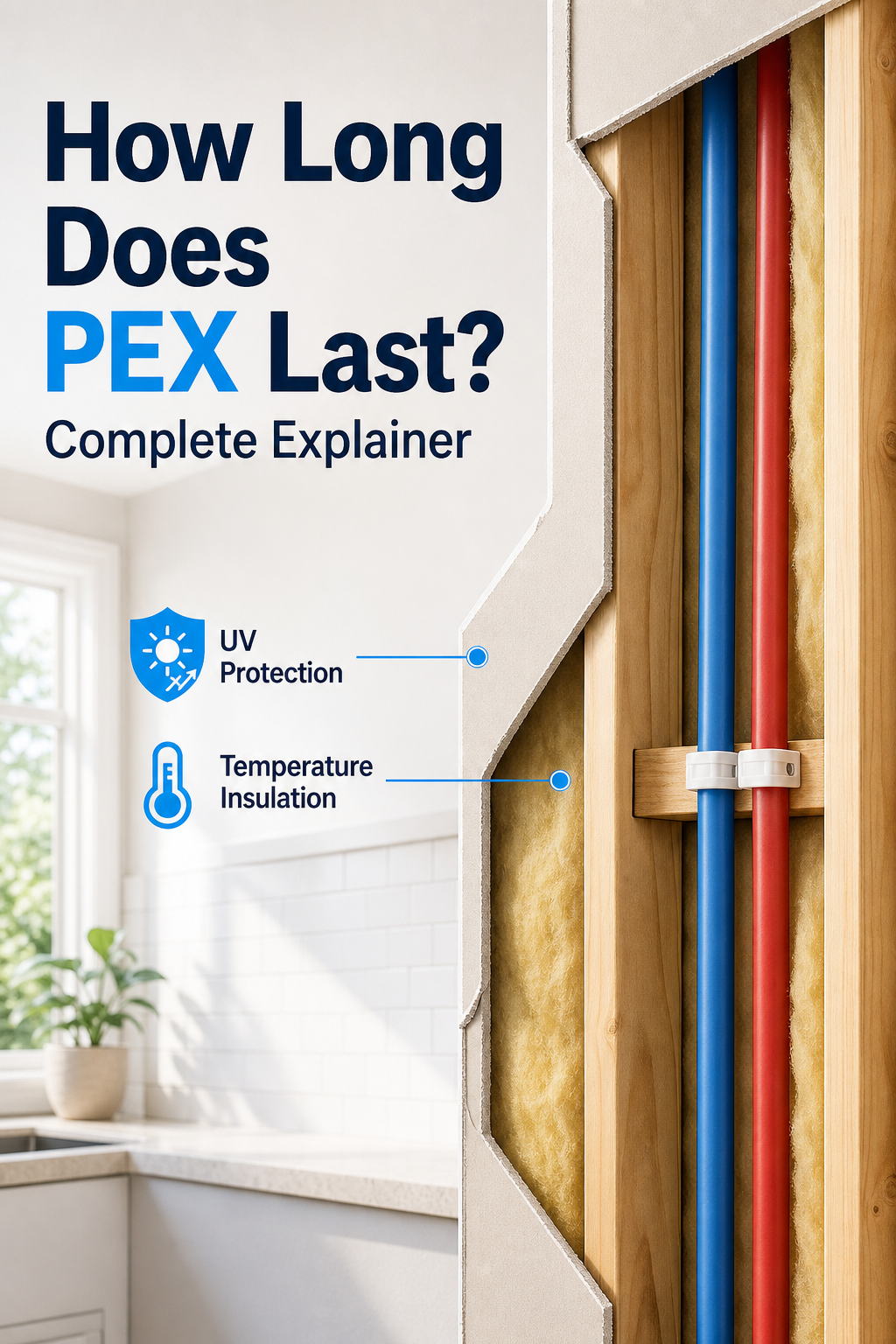
Second, UV exposure is a hidden risk. PEX is not rated for direct sunlight, and prolonged exposure can cause cracking within a few years. Keep any exterior runs hidden behind insulation or in conduit.
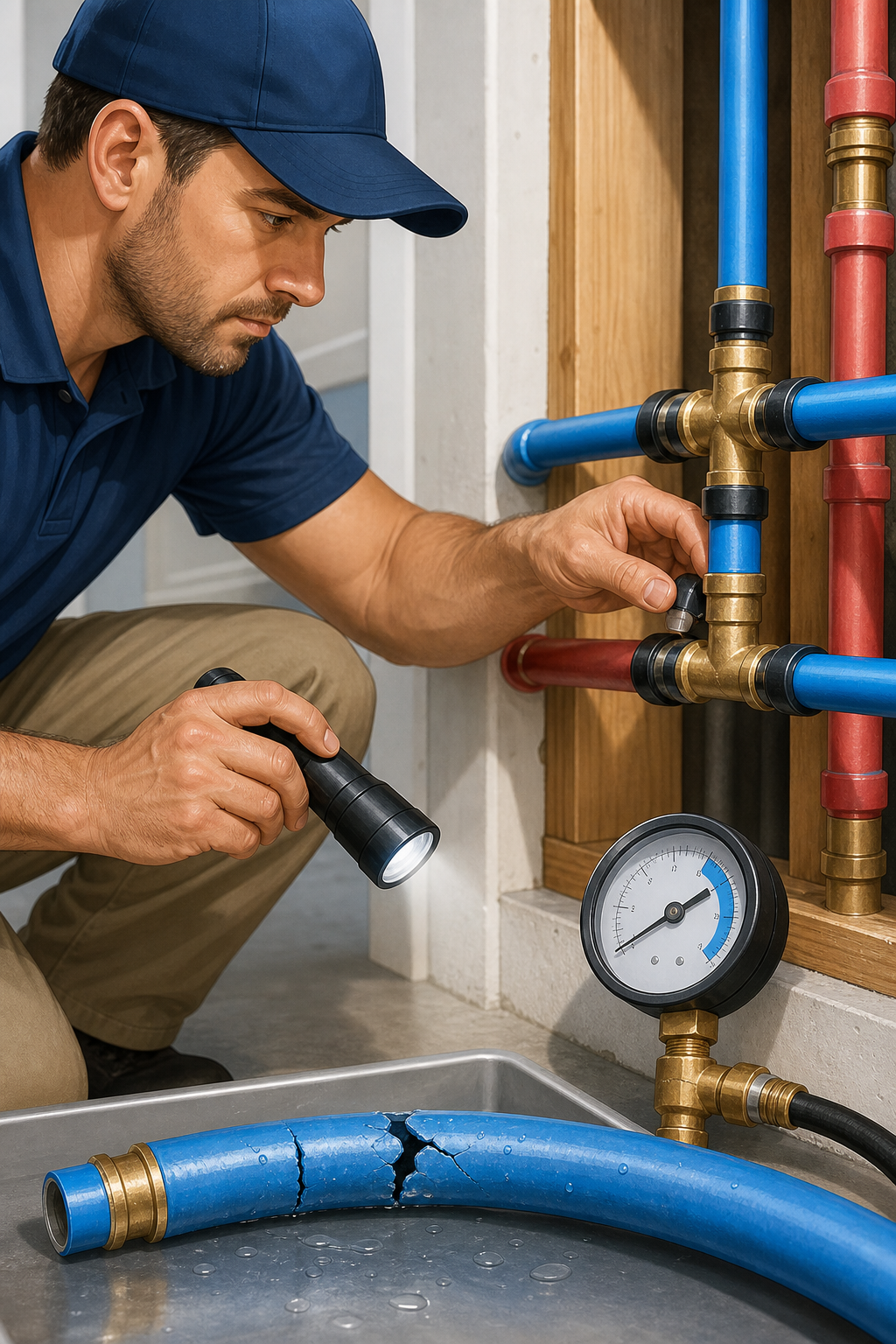
Third, installation quality counts. Poorly calibrated crimp tools, missed pressure tests, or improper expansion‑fit fitting can create stress points that fail early. For a full breakdown of repipe costs and how they relate to material choices, see our step‑by‑step repipe cost guide .
And finally, temperature extremes matter. While PEX tolerates up to 180 °F, repeated thermal cycling can fatigue the material over time.
Pro Tip:Insulate hot‑water runs and protect any exposed sections with conduit to guard against UV and temperature swings.
Common PEX Types and Their Expected Lifespans
PEX comes in three manufacturing families, each with its own performance profile.
PEX‑Aoffers the highest flexibility because the cross‑linking occurs before extrusion. It claims a 50‑year lifespan but can suffer antioxidant depletion in high‑chlorine water.
PEX‑Bis the most common grade. It’s less flexible than A but resists chlorine better. Manufacturers often back it with a 25‑year warranty, even though real‑world data suggests an 10‑18‑year effective life under harsh conditions.
PEX‑Cis the stiffest, suited for high‑temperature applications. It also targets 40‑50 years but warns that UV exposure can cause failure in just 2‑3 years.
Here’s a quick look at a few well‑known products:
When you choose a product, ask the installer about the specific brand’s warranty and UV rating. Modern PEX‑B products, which have the highest UV resistance in the industry, typically carry a 25‑year warranty.
Real‑World Failures: What Can Shorten PEX Life?
Even the best‑rated PEX can fail if certain pitfalls aren’t avoided.
Cost‑cutting manufacturers sometimes produce tubing with inconsistent composition. Those pipes become brittle quickly when exposed to hot, chlorinated water, as noted by industry experts.
Improper expansion‑fit installation can leave tiny dents inside the tube. Those dents become stress concentrators that crack under pressure.
De‑zincification of brass fittings, where zinc leaches out of the alloy, weakens connections and leads to leaks.
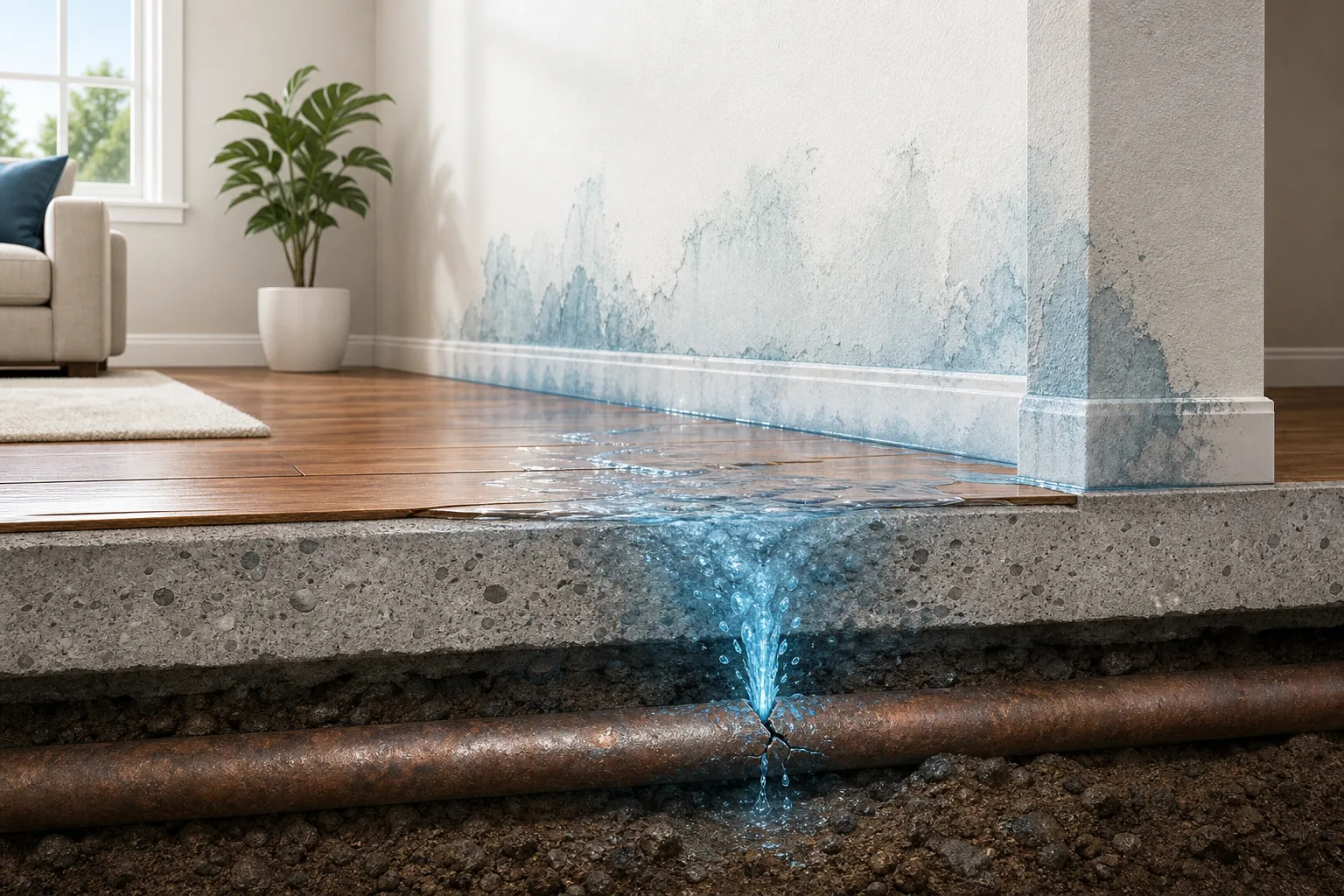
Failing to pressure‑test after installation means hidden leaks stay hidden until water damage appears, often requiring expensive wall demolition.
Finally, freezing can still burst PEX if water freezes solid, despite its reputation for flexibility.
Key Takeaway:Proper material selection, skilled installation, and thorough testing are the three pillars that keep PEX alive for decades.
Comparing Popular PEX Products
Below is a side‑by‑side view of the most common PEX options you’ll see on a repipe project in Orange County.
Product | Typical Lifespan | Warranty | Max Temp (°F) | UV Resistance | Key Limitation |
NIBCO PEX-A (1006 formulation era) | Varies; chlorine can reduce life | 25 years | 180 | Not rated | High‑chlorine water accelerates antioxidant depletion |
Modern PEX-B (Zurn) | Varies; good chlorine resistance | 25 years | 180 | Highest in industry | Requires DZR brass or polymer fittings |
Modern PEX-B (Apollo) | Varies; good chlorine resistance | 25 years | 180 | Highest in industry | Requires DZR brass or polymer fittings |
PEX‑A tubing | 20+ years (lab) | 25 years | 180 | Not rated | Higher material cost; needs expansion fittings |
PEX‑C | 40‑50 years | 25 years | 180 | No | Fails fast under UV exposure |
Our team at Repipe OC prefers the Modern PEX‑B (Zurn) option for most residential jobs because its UV rating lets us run short exterior runs safely, and the 25‑year warranty aligns with our own transferable warranty promise. Homeowners in Orange County can also review the essential warning signs to know when a repipe may be needed.
FAQ
How long does PEX actually last in a typical home?
Comments