
California Repiping Contractor Licensing Explained
- Primewest Plumbing
- 6 days ago
- 6 min read

When you need a whole‑home repipe, the first thing you should check is the contractor’s license. In California a specific set of rules governs who can legally replace your pipes, what paperwork they must file, and how you protect yourself as a homeowner. Below is a clear walk‑through of those rules, the paperwork you’ll see, and the red flags to avoid. Homeowners comparing providers can also review what to look for in the best repiping contractor near you in Orange County .
Table of Contents
What Repiping Contractor Licensing Means in California
The state classifies plumbing work under the C‑36 license. A C‑36 contractor can install, repair, and replace water‑supply, waste, and gas piping, as well as related equipment like water heaters and backflow preventers. The classification also covers the removal of waste systems and the installation of venting for gases. In short, a licensed repiping contractor is authorized to handle every pipe and valve that moves water or gas through a home.
The applicable plumbing licensing classification covers plumbing work in California.
Repipe OC holds an active C‑36 license and pulls the required permits for every project. Because we’re based in Orange County, we know the local building department requirements and can keep the paperwork moving while you stay focused on daily life.
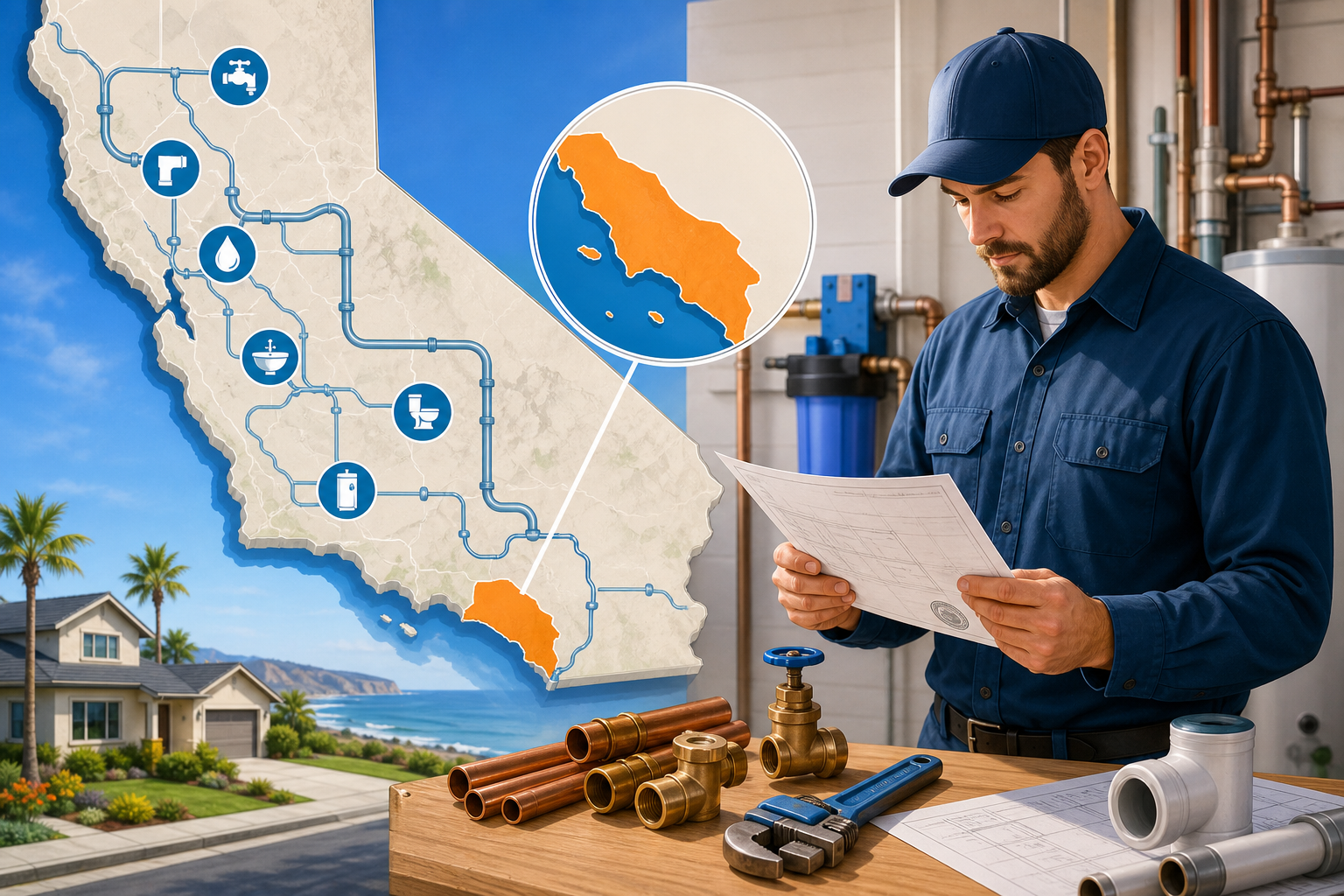
Key Takeaway: A valid C‑36 license helps confirm that a contractor is qualified to handle plumbing work in a home.
License, Business Registration, Insurance, and Permits: What Is the Difference?
Many homeowners mix up a contractor’s license with its business registration or insurance. The license is the state‑issued permission to perform plumbing work. Business registration simply tells the state that a legal entity exists; it does not guarantee skill or compliance.
Insurance is a separate layer of protection. Contractors with employees should carry workers’ compensation insurance, and most also maintain general liability coverage. Since January 1, 2026, the state has stiffened penalties for firms that operate without proper coverage, making insurance verification as important as checking the license number. For additional context, review these contractor licensing and insurance considerations .
Permits are the city’s way of confirming that the work meets local building codes. For a repipe, you’ll typically need a plumbing permit that triggers two inspections: a rough‑in check before walls are closed, and a final inspection after pressure testing. The permit fee varies by city. Homeowners can learn more about whether repiping is worth it and how Orange County permits fit into the project .
Repipe OC includes the permit cost in our all‑inclusive estimate, files the paperwork in the name of the business, and schedules the inspections so you never chase a city clerk.
For a deeper look at contractor licensing, review current licensing guidance. It explains bond and insurance considerations and when licensing requirements apply.
Pro Tip: Always ask to see the contractor’s bond certificate. A copy of that bond can help protect you if the work is left unfinished.
How to Verify a Repiping Contractor Before Signing
A public license-check database lets anyone look up a contractor’s status, classification, bond information, and any disciplinary actions. You’ll need the contractor’s license number, then enter it on the database. An “Active” status means the contractor is currently authorized; “Inactive”, “Suspended”, or “Revoked” are red flags you should not ignore.
Beyond the database, confirm that the bond listed meets applicable requirements, and ask for proof of workers’ compensation insurance. Even if the online record shows “Active”, you still want a current insurance card because coverage can lapse between renewals.
When you verify, also look for any past complaints. The licensing record lists violations and the outcome, which can signal a pattern of cutting corners.
Repipe OC’s license appears as active C‑36 in public licensing records, and we provide the license number on every estimate. You can verify us yourself before signing any paperwork.
For a full rundown of what a license-verification record shows, review the available licensing information. It explains each data field and why “Active” matters for home-improvement contracts.
We also recommend checking the contractor’s insurance certificate and asking for a copy of the bond. Those two steps, combined with a license check, give you a solid safety net.
Licensing Considerations for Homes, HOAs, Rentals, and Commercial Buildings
Different property types bring different licensing nuances. A single‑family home usually needs a standard plumbing permit, but a homeowners association (HOA) may have additional rules about pipe material, noise restrictions during work, and post‑job clean‑up standards. Always ask the HOA for any supplemental approvals before the contractor files the city permit.
Rental properties often have owners who are not on‑site. In that case, the lease may require the landlord to provide proof of a licensed contractor to the tenant, and the tenant may have the right to request a copy of the permit before work starts. A repipe that bypasses licensing can void the lease’s habitability clause, leaving the landlord exposed to legal claims.
Commercial buildings add another layer. For multi‑family or commercial repipes, the project may span multiple trades, meaning the contractor might need a B‑General Building license in addition to C‑36, especially if the work involves structural changes or large‑scale sewer line replacements. Sewer work can fall under C‑42 (sanitation) or C‑34 (pipeline) classifications, so you must verify the exact classification matches the job scope.
Repipe OC works with property managers, HOAs, and commercial owners across Orange County. We coordinate with each entity’s requirements, pull the proper permits, and keep all paperwork in a single folder for easy review.
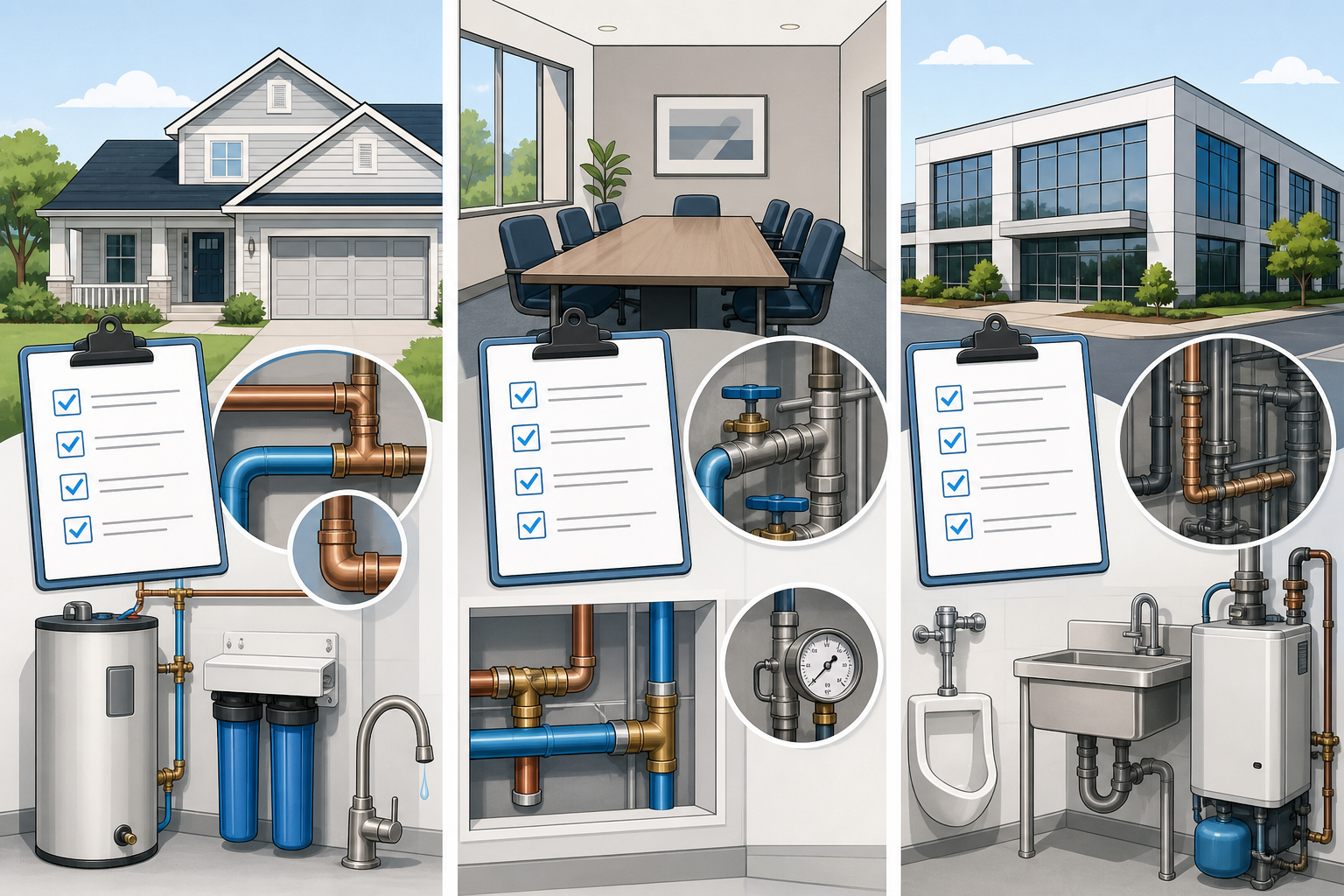
Key Takeaway: Whether you own a house, a rental, or a commercial space, the licensing requirements shift. Confirm the right CSLD classification and any HOA or lease clauses before the first pipe is cut.
Contracts, Materials, Warranties, and Red Flags to Review
A written contract should list the scope of work, materials, timeline, total cost, and payment schedule. It also should disclose the homeowner’s right to cancel within three business days. Reviewing the factors that affect repiping cost per square foot can help you assess whether the written price is complete.
When you read a contract, check the material specifications. PEX and copper are the most common for repipes. PEX offers flexibility and lower labor cost, while copper provides a longer lifespan but higher material expense. The contract should spell out which material you’re getting, the brand, and the expected warranty length.
Warranties are where Repipe OC stands out. We back both parts and labor with a 25‑year transferable warranty, meaning the warranty moves with the house if you sell. That level of coverage is rare in the industry and protects your investment for decades.
Red flags to watch for: a large down payment, vague material descriptions, missing permit language, or a contract that omits the contractor’s license number. Also be wary of contractors who claim “no permit needed” for a whole‑home repipe, skipping the permit can create insurance and resale headaches.
Our team walks you through the contract line by line, explains each material choice, and makes sure the warranty language is crystal clear before you sign.
Frequently Asked Questions
What license number should a repiping contractor have in California?
A repiping contractor should hold an active C‑36 license. The number is a seven‑digit identifier you can verify on a public license database.
Do I need a permit for a repipe in Orange County?
Yes. Most cities in Orange County require a plumbing permit for any whole‑home repipe, and the permit must be pulled by a licensed contractor.
How much does insurance cost for a repiping contractor?
Insurance costs vary, but licensed plumbing contractors with employees generally need workers’ compensation and general liability coverage. The cost is baked into the overall project estimate; you won’t see a separate line item for insurance.
Can I pay the full amount before work starts?
Avoid paying the full amount before work starts. Review the payment schedule and make sure the contract clearly explains when payments are due.
What does a 25‑year transferable warranty cover?
The warranty covers both the pipe material and the labor that installed it. It stays with the home if you sell, so the new owner inherits the protection without needing to renegotiate.
Are there special rules for multi‑family repipes?
Multi‑family projects often require a B‑General Building license in addition to C‑36, especially if the work involves structural changes or large‑scale sewer line upgrades. Verify the contractor’s classification matches the scope before signing.
Conclusion
If you want a repipe that meets code, protects your investment, and comes with a solid warranty, choose a contractor with an active C‑36 license, verified insurance, and a clear written contract. Get a free on‑site estimate from Repipe OC and let our team handle permits, inspections, and the 25‑year warranty so you can relax.


Comments