
How to Fix Low Water Pressure in House – Simple Steps
- Primewest Plumbing
- 11 minutes ago
- 5 min read

Low water pressure can turn a quick shower into a frustrating drizzle. It usually points to a simple fix or a bigger plumbing issue. Below are the exact steps you need to take to restore strong flow and decide when a full repipe is the right move.
Step 1: Diagnose Low Water Pressure
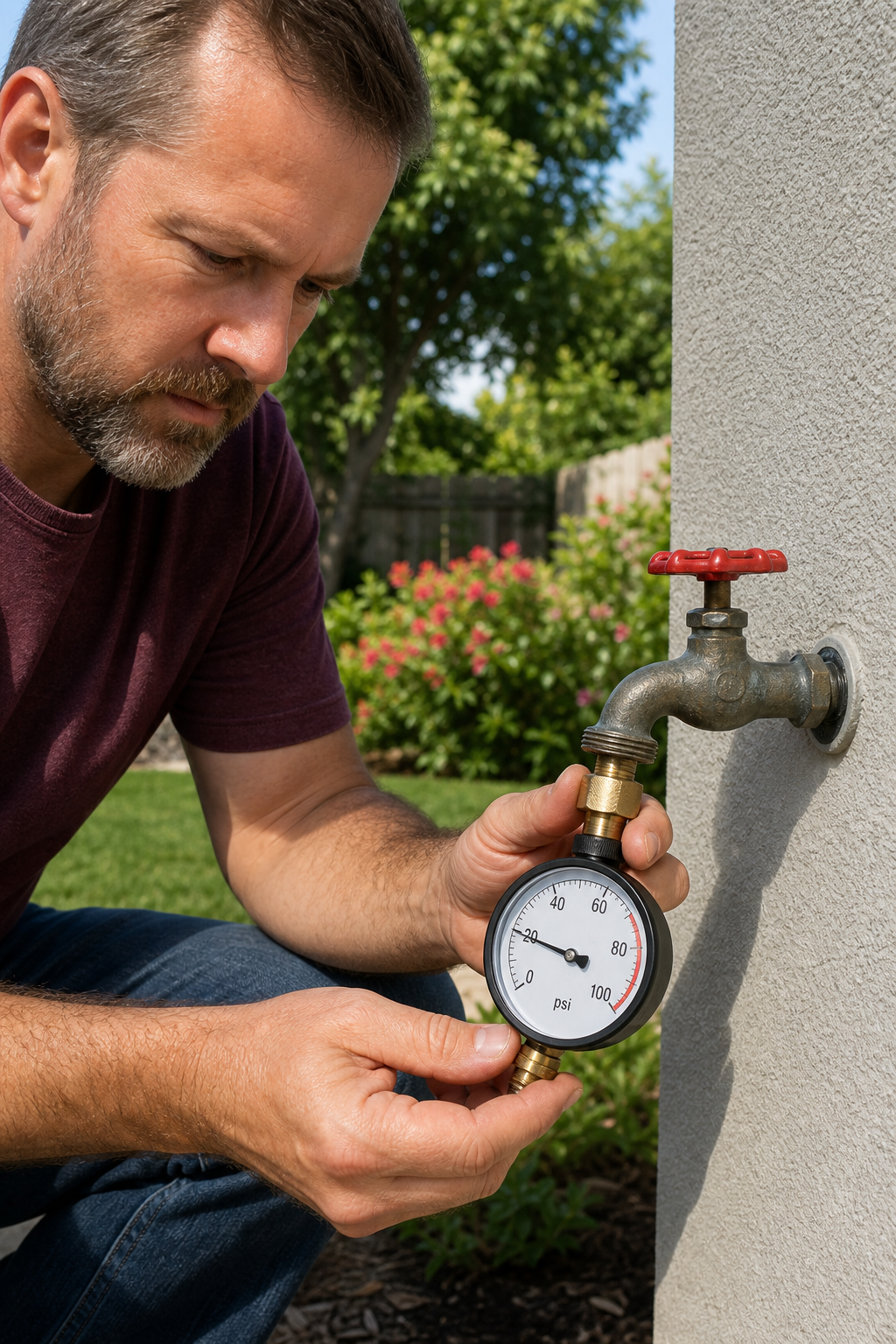
First, confirm that the problem is truly low pressure and not just a clogged faucet. Use a pressure gauge and attach it to an outdoor hose bib closest to the main line. Turn the water on fully; a healthy home reads between 40 and 60 psi. Anything below 40 psi signals a pressure issue.
Next, compare readings from multiple fixtures. If the kitchen sink reads 35 psi but the upstairs bathroom reads 20 psi, the drop may be due to a partial blockage or a failing pressure regulator. If every tap shows the same low number, the culprit is likely upstream, either the main shut‑off valve, the municipal supply, or aging pipework.
Ask neighbors if they’re seeing similar drops. Shared low pressure often points to a city‑wide issue, not a house problem. You can call your water utility to verify any known supply problems.
If you suspect a hidden slab leak, our slab leak repair guide explains how to detect and fix the issue.
When you’ve gathered these clues, you’ll know whether a DIY fix will work or if a professional repipe is needed. A full‑house repipe can restore flow more effectively than quick fixes.
According to Wikipedia’s water‑pressure overview , average residential pressure sits around 45 psi, so readings well below that confirm a problem.
Step 2: Verify Main Shut‑off Valve Is Fully Open
The main shut‑off valve controls water entry into your home. If it’s partially closed, the flow will be throttled at every fixture. Locate the valve , usually near where the water line meets the house, often in a basement or utility closet.
Check the handle type. A round wheel should be turned counter‑clockwise until it stops. A lever‑type handle should be parallel to the pipe. If it’s not fully aligned, turn it gently until it is.
After you’ve opened the valve completely, run water at a faucet to see if pressure improves. If it does, you’ve solved the issue with a simple adjustment.
Sometimes the valve is hard to reach or stuck from years of disuse. Applying a little lubricant to the stem can free it, but avoid using harsh chemicals that could damage the plumbing.
For a deeper look at municipal supply factors, you can consult local water authority resources.
Step 3: Inspect or Adjust the Pressure Control Device
Many homes have a pressure control device installed near the main line to protect pipes from excess pressure. Over time, the device can wear out or be set too low, limiting flow.
Locate the pressure control device; it looks like a bell‑shaped component with a screw on top. Using a flat‑head screwdriver, turn the screw clockwise to raise pressure or counter‑clockwise to lower it. A good starting point is 50 psi.
If turning the screw doesn’t change the pressure indicator reading, the device may be faulty. Replace it with a new unit rated for your home’s flow rate. This is a job many DIYers can handle, but if you’re unsure, a plumber can swap it quickly.
When the pressure control device is in good shape and set correctly, you should see a noticeable boost across all fixtures.
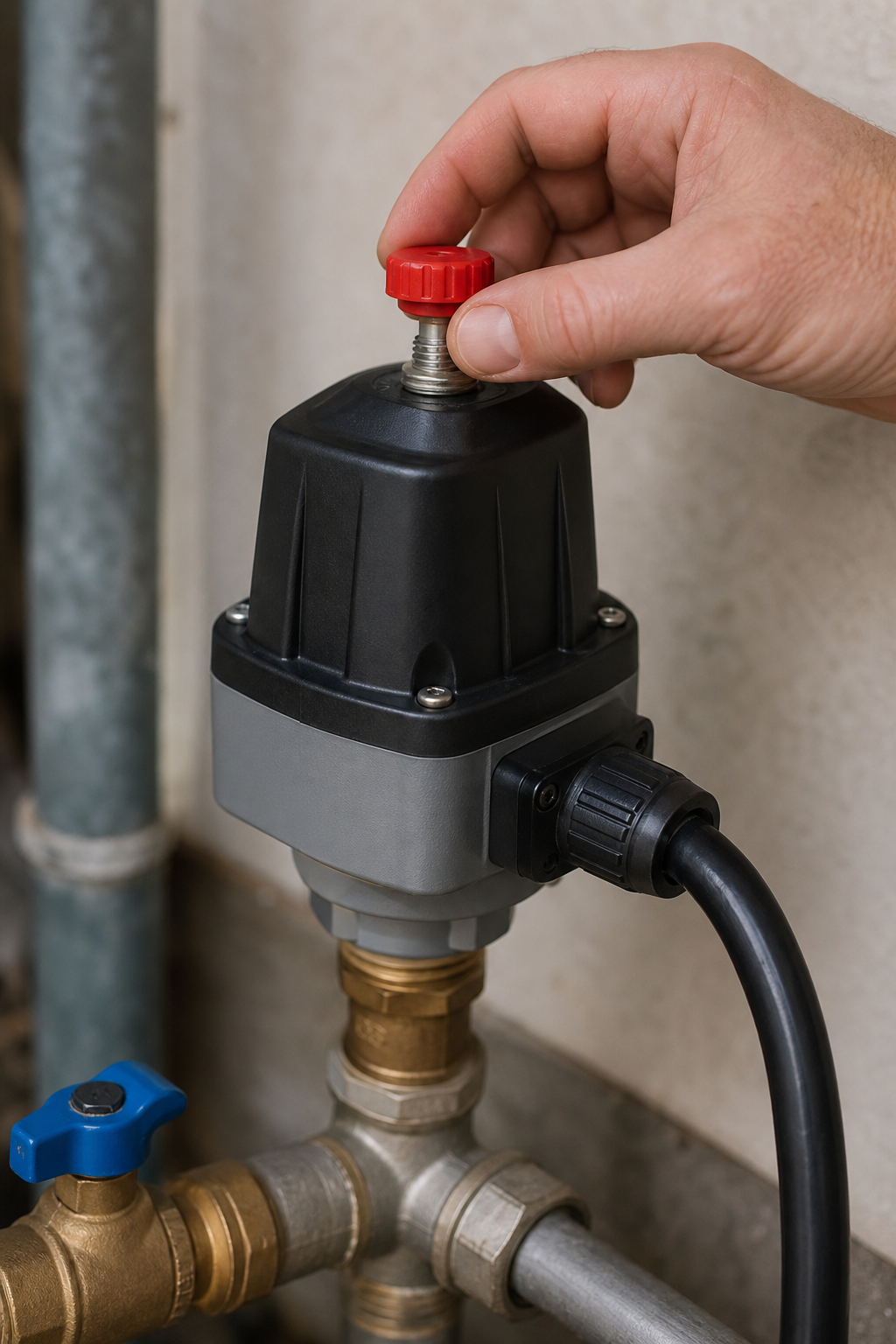
Key Takeaway:A correctly set pressure control device often restores pressure without any further work.
Step 4: Clean Aerators, Showerheads & Check Fixtures
Mineral buildup inside faucet aerators and showerheads can choke flow. Unscrew the aerator from the faucet tip, soak it in white vinegar for an hour, then rinse and reinstall. Do the same for showerheads , most twist off easily.
While you’re at it, inspect each fixture for obvious leaks or corrosion. A tiny drip can lower overall pressure by diverting water.
If you’ve cleaned the fixtures and pressure is still low, the problem likely lies deeper in the pipe network.
Older homes often contain galvanized steel pipes that corrode from the inside. Corrosion can narrow pipe diameter and choke flow.
Pro Tip:After cleaning, run both hot and cold water for a minute to flush any remaining debris.
Step 5: When to Call Repipe OC for Professional Repiping
If you’ve tried the steps above and pressure remains below 40 psi in multiple rooms, it’s time to consider a repipe. Common signs that a full repipe will save you money and hassle include:
Low pressure in every fixture, not just one.
Frequent pinhole leaks or visible corrosion.
Homes built before 1985 with likely galvanized steel piping.
Repipe OC specializes in whole‑house repiping using modern PEX or copper. Their process includes a thorough inspection, pressure testing, and a 25‑year transferable warranty. They also provide transparent pricing, most whole‑house jobs finish in one to two days.
Choosing Repipe OC means you get top‑quality materials, expert craftsmanship, and a peace‑of‑mind guarantee that lasts for decades. Their team will map out exactly which lines need replacement, minimize wall damage, and leave your home cleaner than it was.
For more insight on choosing the right pipe material, see our PEX vs Copper repiping guide .
When you schedule a free on‑site estimate, you’ll receive a clear, itemized quote and a timeline that fits your schedule.
Remember, a repipe not only restores pressure but also prevents future leaks, improves water quality, and can boost your home’s resale value.
FAQ
Why is my water pressure low only in the shower?
The shower often uses a dedicated valve that can become clogged with mineral deposits. Cleaning the showerhead and checking the valve for partial closure usually fixes the issue.
Can I increase pressure with a booster pump?
A booster pump can raise pressure, but it must be installed by a licensed plumber and comply with local codes. It’s a good solution when municipal pressure is consistently low.
How often should I replace my home’s pipes?
Galvanized steel pipes typically last 20‑30 years before corrosion cuts flow. If your home is older than that and shows low pressure or rust, a repipe is advisable.
Do I need a permit to repipe my house?
Most Orange County jurisdictions require a permit for whole‑house repiping. Repipe OC handles permit paperwork as part of the service.
Is PEX safer than copper?
PEX resists corrosion and is flexible, making it easier to install in tight spaces. Copper is durable and handles high temperatures well. Both meet code when installed correctly.
Conclusion
If simple fixes haven’t restored pressure, a professional repipe is the safest path forward. Benefits of repipe upgrades include lasting pressure, leak prevention, and higher home value. Contact Repipe OC for a free estimate and enjoy steady water flow again.


Comments