
Best Repiping Cost Per Foot Options

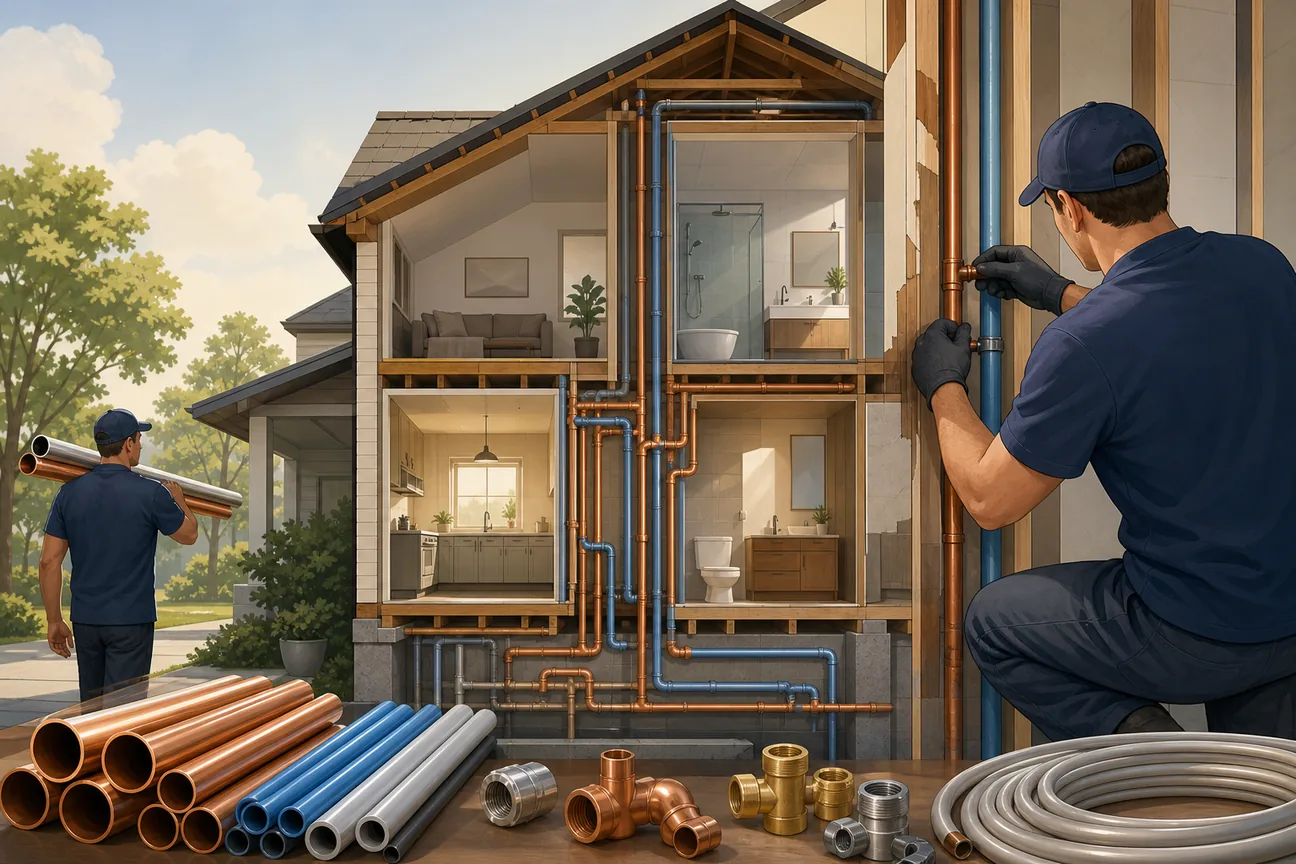
Homeowners in Orange County think a full repipe will break the bank, but the average material cost per foot is just $1.20. Below is a shortlist of the main options you’ll meet when you start looking at repiping cost per foot, plus a quick way to pick the right one for your home.
1. Repipe OC – Free Estimate with Transparent Pricing
Repipe OC provides whole‑home repiping for Laguna Niguel, San Juan Capistrano, and the rest of Orange County. The company offers a free on‑site estimate, so you see every line item before you sign. That transparency cuts surprise fees that often inflate a project's total cost.

Best for: Homeowners with legacy copper or galvanized lines, property managers of multi‑family buildings, and investors who need a fast, code‑compliant upgrade.
The team backs every install with a 25‑year transferable warranty. That means the warranty moves with the house if you sell, adding resale value. Labor accounts for roughly 70 % of the total cost, so choosing a crew that works efficiently saves you money.
One limitation: Because Repipe OC focuses on full‑home projects, small spot‑repairs aren’t their primary service. If you only need one pipe swapped, you may pay a higher per‑foot rate than a specialist who only does patches.
Need a Repipe? Here’s What You Should Know explains the full process and why a free estimate matters.
2. PEX Piping – Affordable and Durable ($0.40–$2/ft)
PEX (cross‑linked polyethylene) is the most common plastic used in modern repipes. It runs $0.40‑$2 per linear foot for the material, and installation costs stay low because the pipe bends around corners, cutting the number of fittings.
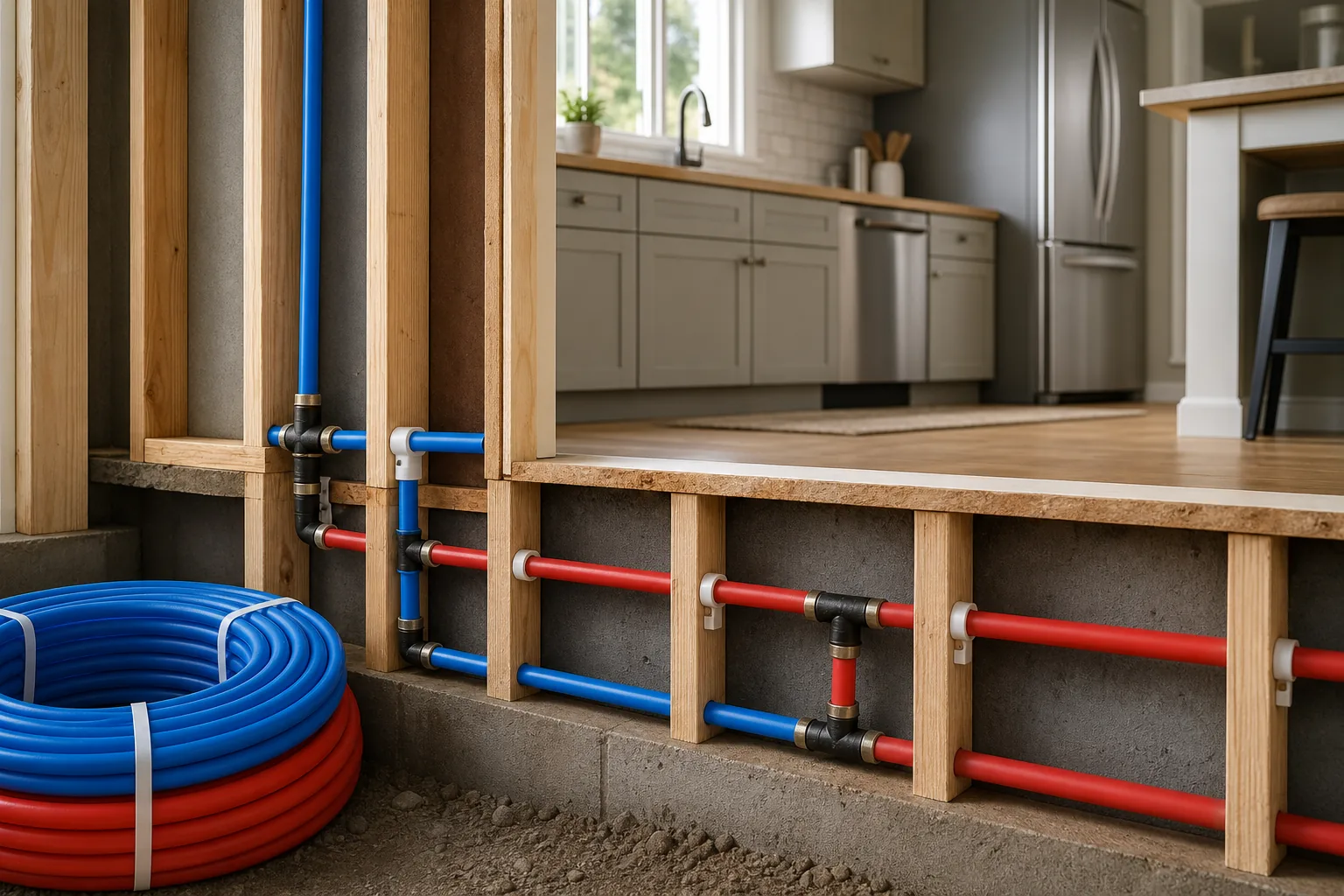
Best for: Tight budgets, new construction, or retrofits where walls are already finished. The material lasts 40‑50 years, matching copper’s lifespan without the corrosion risk.
Concrete reasons it makes the list:
Fewer joints mean fewer leak points.
It resists corrosion and scale buildup.
Installation finishes in 3‑5 days for a typical home.
Limitations: UV light degrades PEX, so it can’t be left exposed outdoors, and rodents sometimes chew it.
PEX Repiping Cost: Factors & Price Estimates (2026 Guide) breaks down how the $0.40‑$2 range translates to a full‑home job.
PEX can handle temperatures up to 200 °F, which is more than enough for residential hot water.
Ready to stop worrying about hidden fees?
Pro Tip:Ask any contractor to itemize the permit, drywall repair, and water‑main costs before they give you a final quote.
3. Copper Piping – Premium Longevity ($2–$8/ft)
Copper remains the gold standard for water supply lines. The raw material costs $2‑$8 per foot, and the labor price is higher because each joint must be soldered.
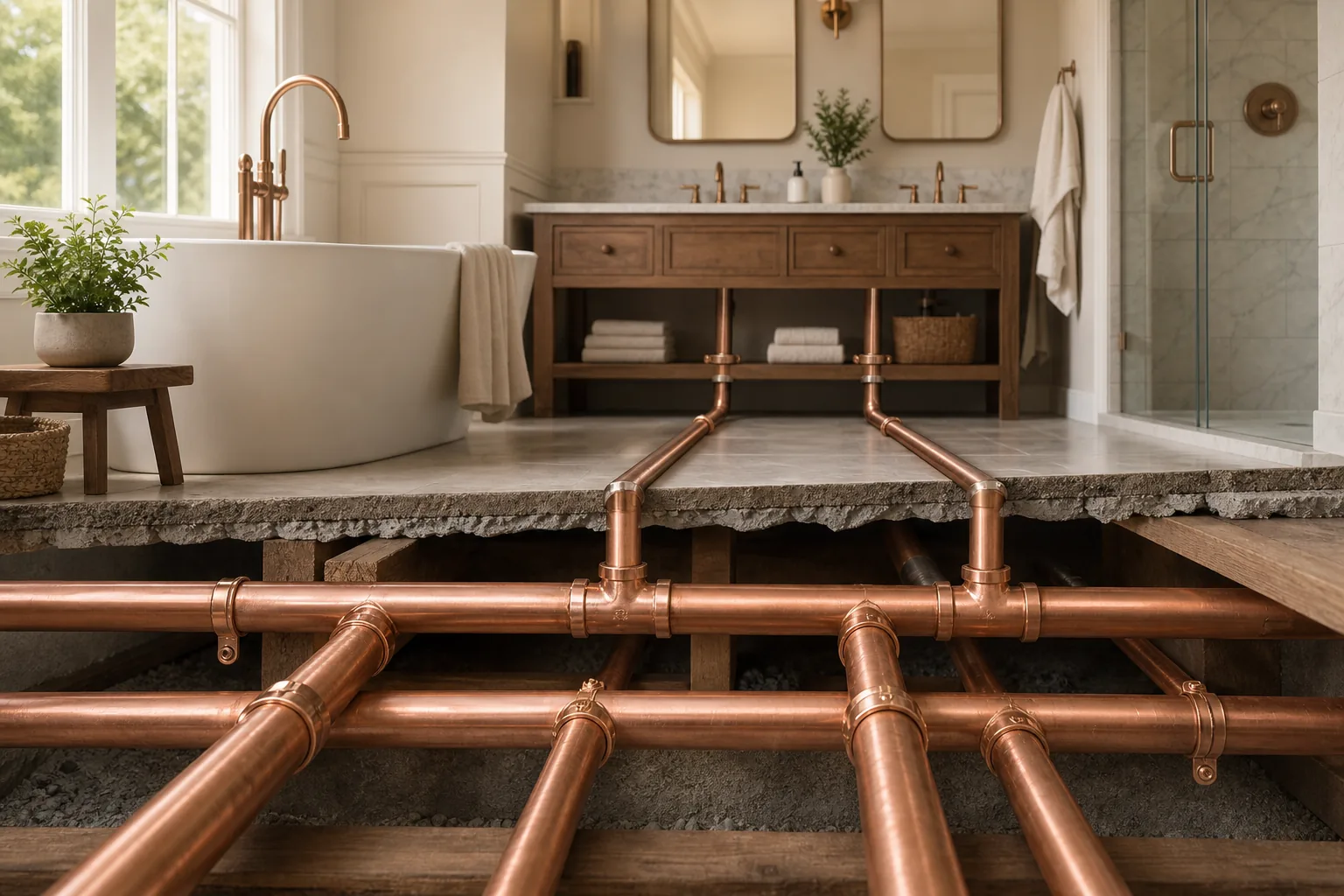
Best for: Long‑term homeowners who plan to stay put for decades, or resale markets that value copper’s durability.
Why it stays on the list:
It resists heat and can handle temperatures well over 400 °F.
It is naturally antimicrobial, keeping water clean.
Lifespan reaches 70 years or more when water chemistry is neutral.
Drawbacks: Higher material cost, longer install time, and it can corrode in acidic water.
Copper Pipe Corrosion Explained details how acidic water can eat away at copper over time.
Copper pipe can last 50 to 70+ years under typical conditions.
Key Takeaway:Copper gives you the longest lifespan, but you pay a premium for material and labor.
4. Polybutylene – Understanding the Risks and Replacement Needs
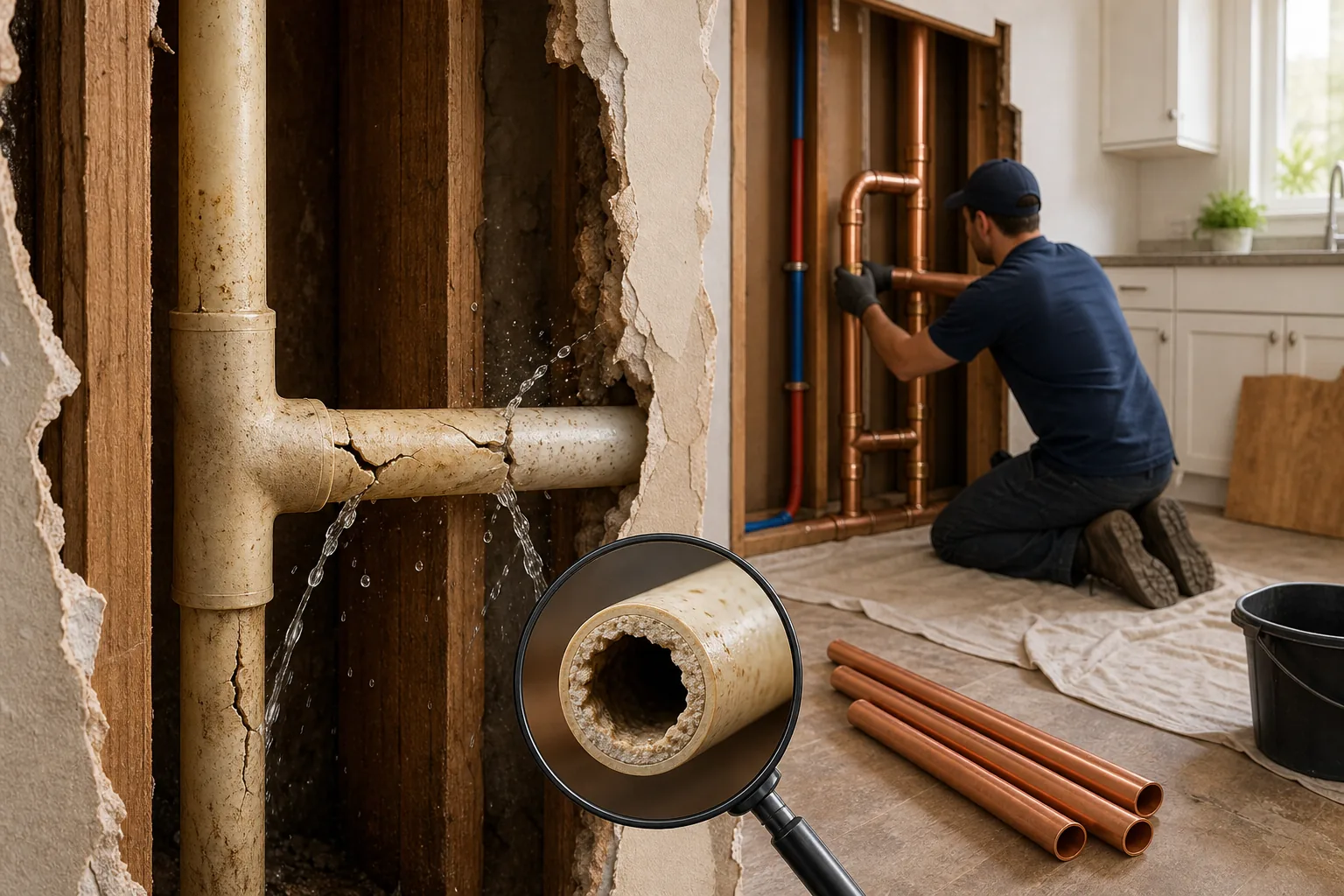
Polybutylene (PB) was popular from the late‑1970s to the mid‑1990s but it degrades when exposed to chlorinated water. Insurers often refuse to renew coverage on homes that still have PB, making replacement a financial priority.
Reasons to replace now:
PB can fail suddenly, leading to expensive emergency repairs.
Many policies won’t cover water damage caused by PB failure.
Replacement costs are often lower than a full-home repipe, but pricing depends on your specific situation.
Limitation: PB pipes are subject to systemic failure, and insurers commonly refuse to renew coverage on homes still using polybutylene. Replacement typically requires switching to a different material such as PEX.
Cost to Repipe a Home: Step‑by‑Step Guide shows how the PB swap fits into an overall budget.
For more background, the chemical breakdown causes PB failures over time.
5. Galvanized Steel Replacement – Cost of Rust and Flow Issues
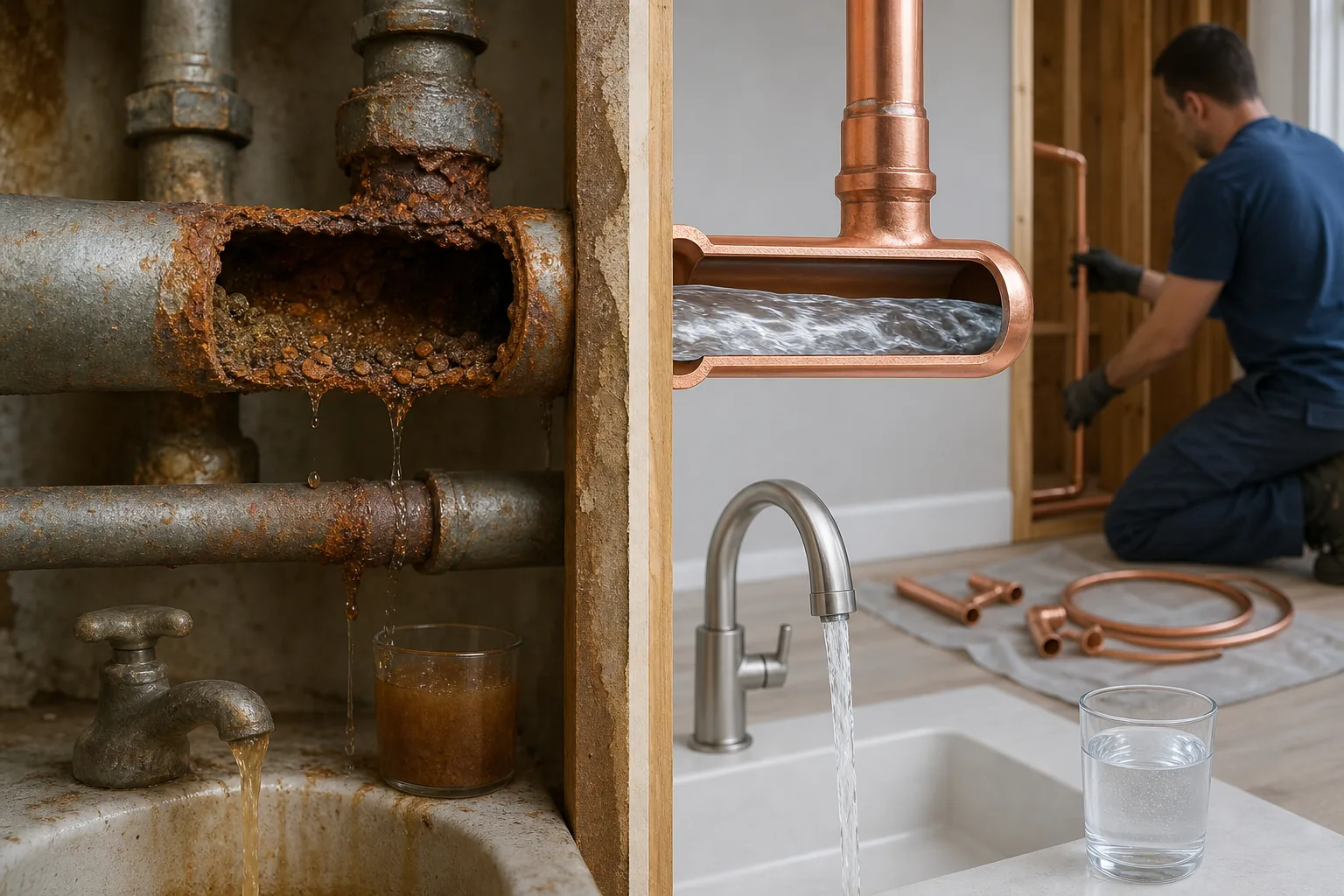
Galvanized steel was the standard before the 1960s. Inside the pipe, the zinc coating corrodes over time, shrinking the internal diameter by up to 50 %. That reduces flow and forces higher water pressure, which can burst older sections.
Best for: Pre‑1960 homes where the original steel is still in place.
Why you should replace:
Rust buildup leads to low water pressure and noisy pipes.
Corroded steel can cause water discoloration.
A full repipe often costs less than repeated spot repairs.
Limitation: Because the pipe is rigid, installation requires more labor, driving up the total cost.
The Hidden Danger in Pre‑1985 Orange County Homes explains the hidden expenses that come with staying on galvanized steel.
Galvanized steel has a 20‑50 year service life before internal corrosion becomes a problem.
Repiping Material Comparison
Material | Cost per foot | Typical lifespan | Installation ease | Key limitation |
PEX | $0.40–$2 | 40–50 years | Easy – bends, fewer joints | UV degradation, rodent damage |
Copper | $2–$8 | 50–70 years+ | Hard – soldering required | Higher material cost, acidic‑water corrosion |
Polybutylene | — | 20–50 years (degrades) | Moderate – replace with PEX | Fails with chlorinated water, insurance issues |
Galvanized steel | — | 20–50 years (internal rust) | Hard – rigid, many cuts | Flow loss, rust, frequent leaks |
When you weigh cost against lifespan, PEX gives the best bang for your buck, while copper offers the longest life if you’re willing to pay up front.
Frequently Asked Questions
What is the average repiping cost per foot in Orange County?
The market average sits around $1.20 per foot, with PEX at $0.40‑$2 and copper at $2‑$8.
Does PEX need any special maintenance?
No, PEX requires no routine maintenance beyond standard water‑system checks, but you should protect it from direct sunlight.
Can I mix copper and PEX in the same house?
Yes, many installers run PEX inside walls and use short copper runs near the water heater to handle higher temperatures.
How long does a full‑home repipe take?
Most single‑family homes finish in 3‑5 days, assuming clear access and no major structural obstacles.
Will my insurance premium change after a repipe?
Replacing old steel or polybutylene usually lowers premiums because the risk of leaks drops dramatically.
Conclusion
For most Orange County homes, PEX delivers the best balance of price and durability, but if you plan to stay put for decades, copper’s longer lifespan may be worth the extra cost. Get a free on‑site estimate from Repipe OC today and lock in a transparent quote.


Comments