
Top 10 Options for Repiping Commercial Buildings in Orange County
- Primewest Plumbing
- 5 days ago
- 5 min read

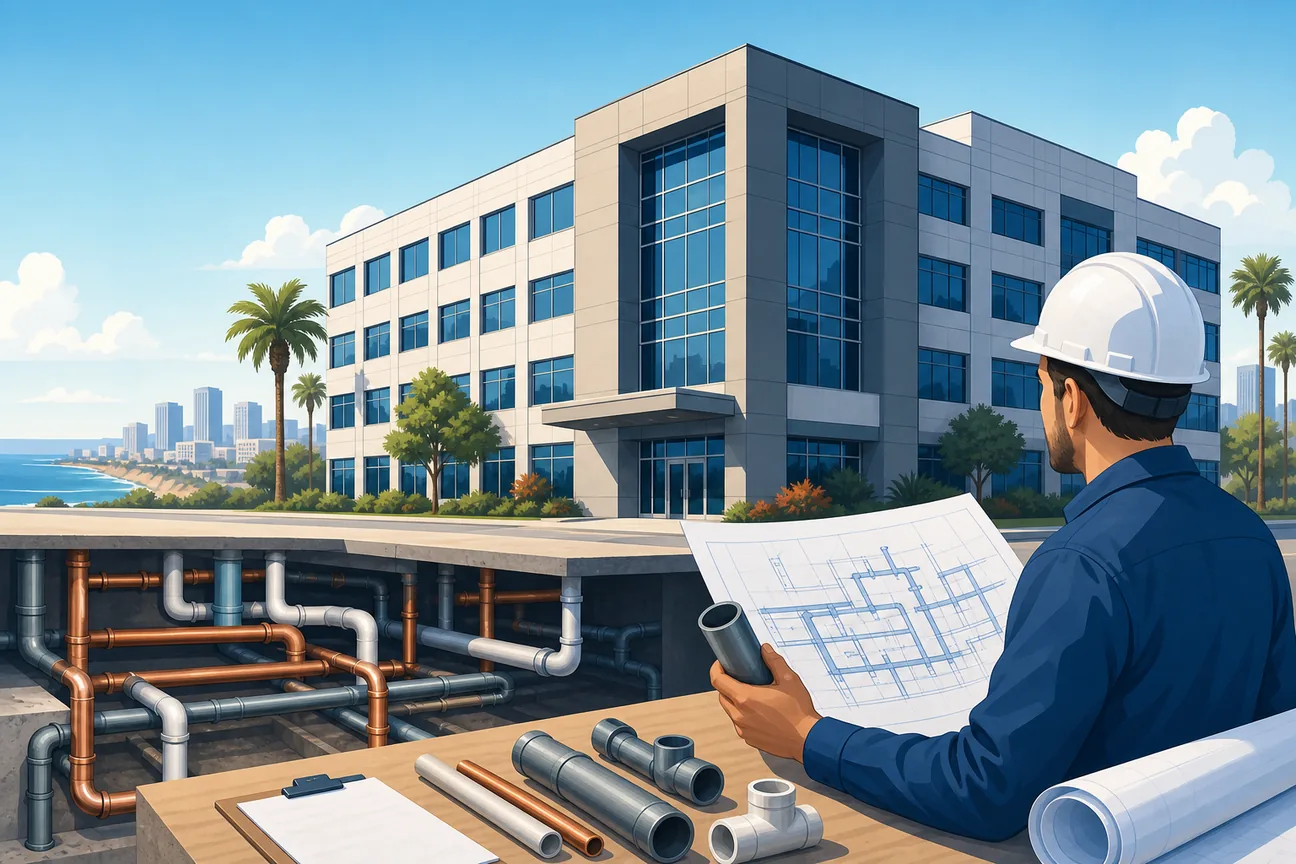
Got rusty water or frequent leaks in your office tower? Those are classic signs your plumbing needs a fresh start. Below is a short list of the ten most reliable repiping choices for Orange County commercial properties, so you can pick the right fit fast.
Table of Contents
1. Repipe OC (Our Top Pick) — Full‑Service Commercial Repiping
3. Copper Pipe — Classic Durability and Antimicrobial Benefits
4. Stainless Steel 316L — Corrosion‑Resistant for Harsh Environments
5. HDPE Pipe — Chemical Resistance and Flexibility for Underground Runs
8. Glass‑Lined Steel — Superior Chemical Resistance for Specialized Processes
9. Carbon Steel — High Pressure Capacity at Low Material Cost
10. Expansion Method — Fast Installation with Specialized Tools
What to Look For When Choosing a Commercial Repiping Solution
1. Repipe OC (Our Top Pick) — Full‑Service Commercial Repiping
Repipe OC handles the entire repipe from inspection to warranty. The crew runs a free on‑site assessment, pulls out old lines, installs new PEX or copper, pressure‑tests, and patches walls. It’s a good fit for property managers who want a single point of contact and a 25‑year transferable warranty. The company also offers 24/7 emergency support, which cuts downtime for businesses that can’t afford a water shut‑off. A minor downside is that scheduling can be tight during peak season.
Read our Whole House Repipe Cost guide to see how the all‑in‑one service compares to piecemeal quotes.
2. PEX Pipe — Flexible, Freeze‑Resistant Solution
PEX (cross‑linked polyethylene) is a flexible plastic that bends around studs without solder. It resists freezing because it expands before bursting, which is handy for coastal Orange County climates. The material lasts 40‑50+ years and meets NSF/ANSI standards for drinking water safety. Installation is quick, so labor costs stay low. The main caveat is UV sensitivity; exposure to direct sunlight can degrade the pipe, so it stays hidden behind walls.
PEX is widely used in residential and commercial repiping for its durability and low maintenance. For property owners concerned about legacy lead pipe systems, see our best options for repiping for lead pipe removal in Orange County guide.
Our PEX repiping cost guide breaks down material and labor pricing for Orange County projects.
3. Copper Pipe — Classic Durability and Antimicrobial Benefits
Copper has been the plumbing workhorse for decades. It handles UV exposure, so outdoor runs stay safe. The metal naturally inhibits bacterial growth, which improves water quality. Expect a lifespan of 50‑70+ years when installed correctly. The trade‑off is higher material cost and the need for skilled soldering, which can extend the schedule. In high‑temperature zones copper can soften, so it’s best paired with proper insulation.
Copper pipe can last 50‑70+ years when properly installed and maintained.
4. Stainless Steel 316L — Corrosion‑Resistant for Harsh Environments
Stainless 316L adds molybdenum to the alloy, which fights chloride‑induced pitting. That makes it ideal for buildings near the ocean or with aggressive water chemistry. The pipe holds up for 25+ years with minimal maintenance. It’s heavier than plastic, so handling requires extra crew time. Also, the upfront material price is higher than PEX, but the long‑term corrosion protection can save replacement costs.
For more information on stainless‑steel grades, consult reputable industry resources.
5. HDPE Pipe — Chemical Resistance and Flexibility for Underground Runs
High‑density polyethylene (HDPE) is a tough, flexible pipe that tolerates a wide range of chemicals. It’s perfect for underground water mains where soil movement occurs. The pipe typically lasts 15 years before any sign of corrosion, according to industry data. Installation uses trenchless methods that reduce surface disruption. However, HDPE can’t handle very high temperatures, so it’s best for cold‑water distribution.
We often pair HDPE with a protective sleeve to guard against rodent damage.
6. CPVC Pipe — Cost‑Effective Hot‑Water Solution
Chlorinated polyvinyl chloride (CPVC) handles hot water up to 200 °F, making it a budget‑friendly alternative to copper for hot‑water loops. It resists chlorine, so it works well with municipal water supplies. Lifespan runs 50+ years when protected from UV light. Installation uses solvent cement, which is faster than soldering but requires proper ventilation. A limitation is that CPVC isn’t approved for outdoor exposure in direct sunlight.
7. uPVC — Cost‑Effective for Drainage and Irrigation
uPVC is a cost-effective water solution for distribution, irrigation, and drainage. It can operate up to a maximum continuous temperature of 50 °C, and its pressure constraints compared with metal pipes require proper sizing. This makes it a budget‑friendly choice for many commercial landscaping projects.
8. Glass‑Lined Steel — Superior Chemical Resistance for Specialized Processes
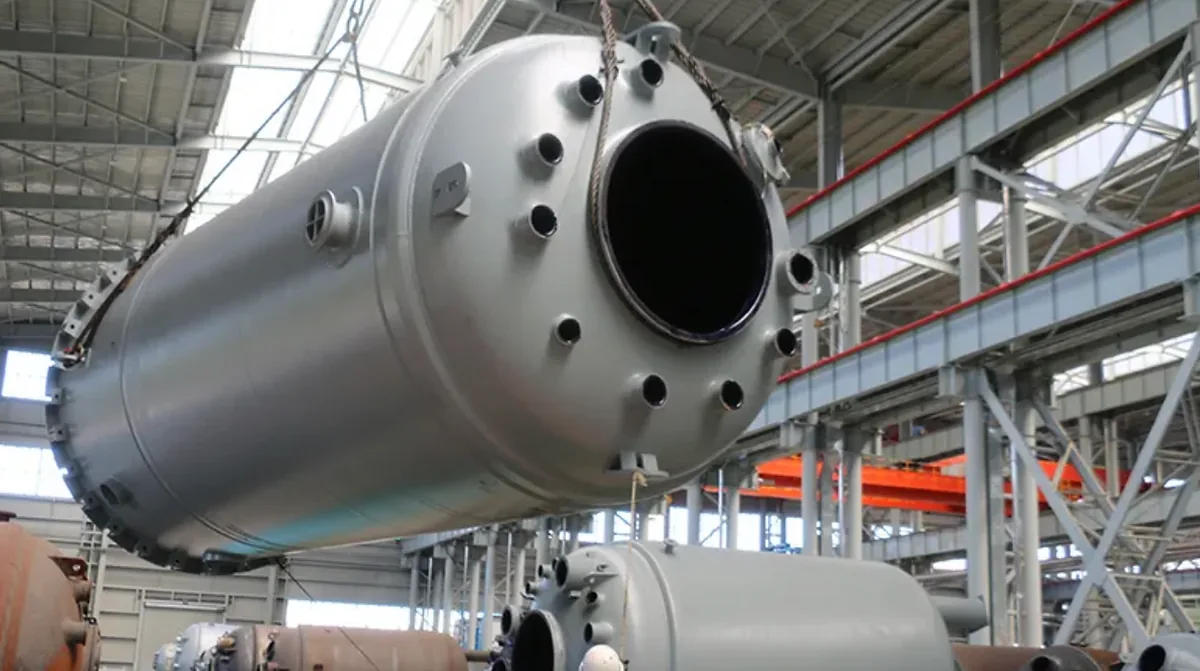
Glass‑lined steel combines a steel core with a smooth glass coating. The coating protects against aggressive chemicals found in labs or industrial kitchens. It tolerates high pressure and temperature swings. The downside is higher cost, often three to five times stainless steel, and the lining can crack if mishandled during installation. It’s best reserved for niche applications where chemical exposure is extreme.
9. Carbon Steel — High Pressure Capacity at Low Material Cost
Carbon steel offers the highest pressure rating of the metal options and comes at a low material price. It’s a solid choice for large‑scale water mains. The pipe needs a protective coating, galvanization, epoxy, or paint, to stop rust. Without coating, rust can appear within a year, especially in humid coastal air. Proper coating extends service life to 20‑30 years.
10. Expansion Method — Fast Installation with Specialized Tools
The expansion method uses a specialized tool to stretch the pipe walls, allowing a fitting to slide in without clamps. The method speeds up installation and reduces labor time. It works with PEX tubing, so you still get the flexibility benefits. The main catch is the need for the specialized expansion tool, which adds upfront cost. It’s ideal for projects where downtime must be minimized.
What to Look For When Choosing a Commercial Repiping Solution
First, check the warranty. A long, transferable warranty, like the 25‑year one from Repipe OC, covers both parts and labor, giving peace of mind. Second, consider material suitability for your building’s water chemistry and exposure. Third, ask about project management: will a single crew handle all trades or will you juggle subcontractors? Fourth, verify that the provider handles permits, inspections, and post‑project cleanup. Finally, compare total cost, not just material price, because hidden fees for drywall repair or permits can add up. For a systematic approach, review our top 10 ways to get a repiping cost estimate guide.
Our Repiping financing options for 2026 page shows how to spread payments without surprise interest.
Comparison Table: Pipe Materials for Commercial Repiping
Material | Typical Lifespan | Best Use | Key Limitation |
PEX | 40‑50+ years | Flexible runs, freeze‑prone zones | UV sensitive |
Copper | 50‑70+ years | Hot‑water, outdoor exposure | Higher material cost |
Stainless 316L | 25+ years | Coastal or corrosive water | Heavier, pricier |
HDPE | 15 years (no corrosion) | Underground mains | Not for high‑temp water |
CPVC | 50+ years | Hot‑water loops | UV not approved |
uPVC | N/A | Water distribution, irrigation, drainage | Max operating temperature 50 °C; pressure constraints |
Glass‑Lined Steel | 30+ years | Chemical‑heavy processes | Costly, fragile lining |
Carbon Steel | 20‑30 years (coated) | High‑pressure mains | Needs protective coating |
Expansion Method | Matches PEX | Fast installs | Tool investment required |
Pro Tip:Ask any contractor if they bundle permits


Comments