
Best PEX vs Copper Pipe Options for Orange County Homes

Updated: Aug 30
You’re staring at old pipes and wondering which material will save you money and headaches. Below is a short list of the most reliable options for Orange County homes, plus a quick way to decide.
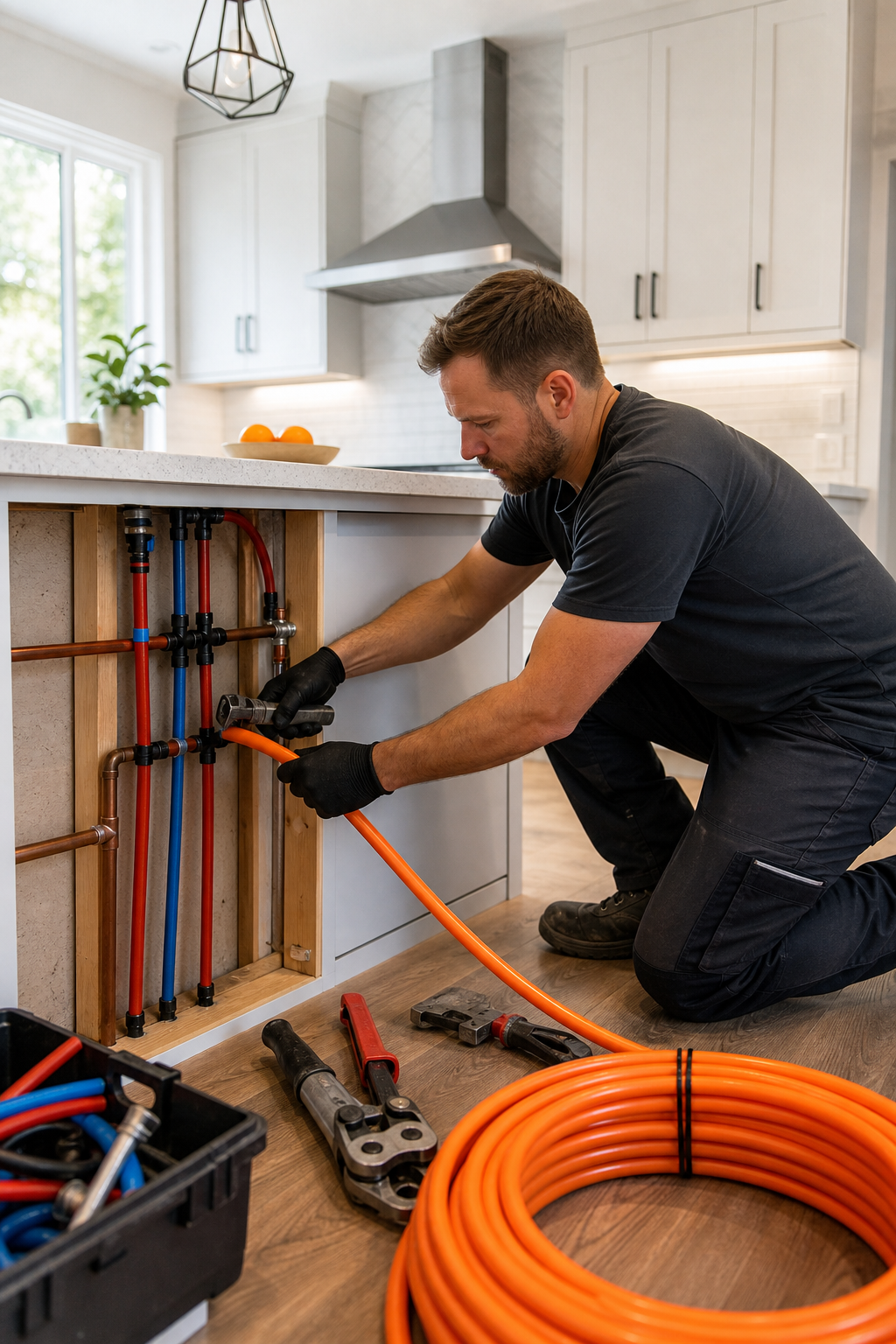
1. Repipe OC (Our Top Pick) , Premium Repiping Services in Orange County
Homeowners in Laguna Niguel, Aliso Viejo, and Mission Viejo often tell us the biggest win is the peace of mind that comes with a warranty that lasts longer than the pipe ’s expected life. The team also offers a free inspection that pinpoints leaks before they become costly floods.
Key Takeaway:Repipe OC gives you premium materials, a rock‑solid warranty, and the fastest turnaround in Orange County.
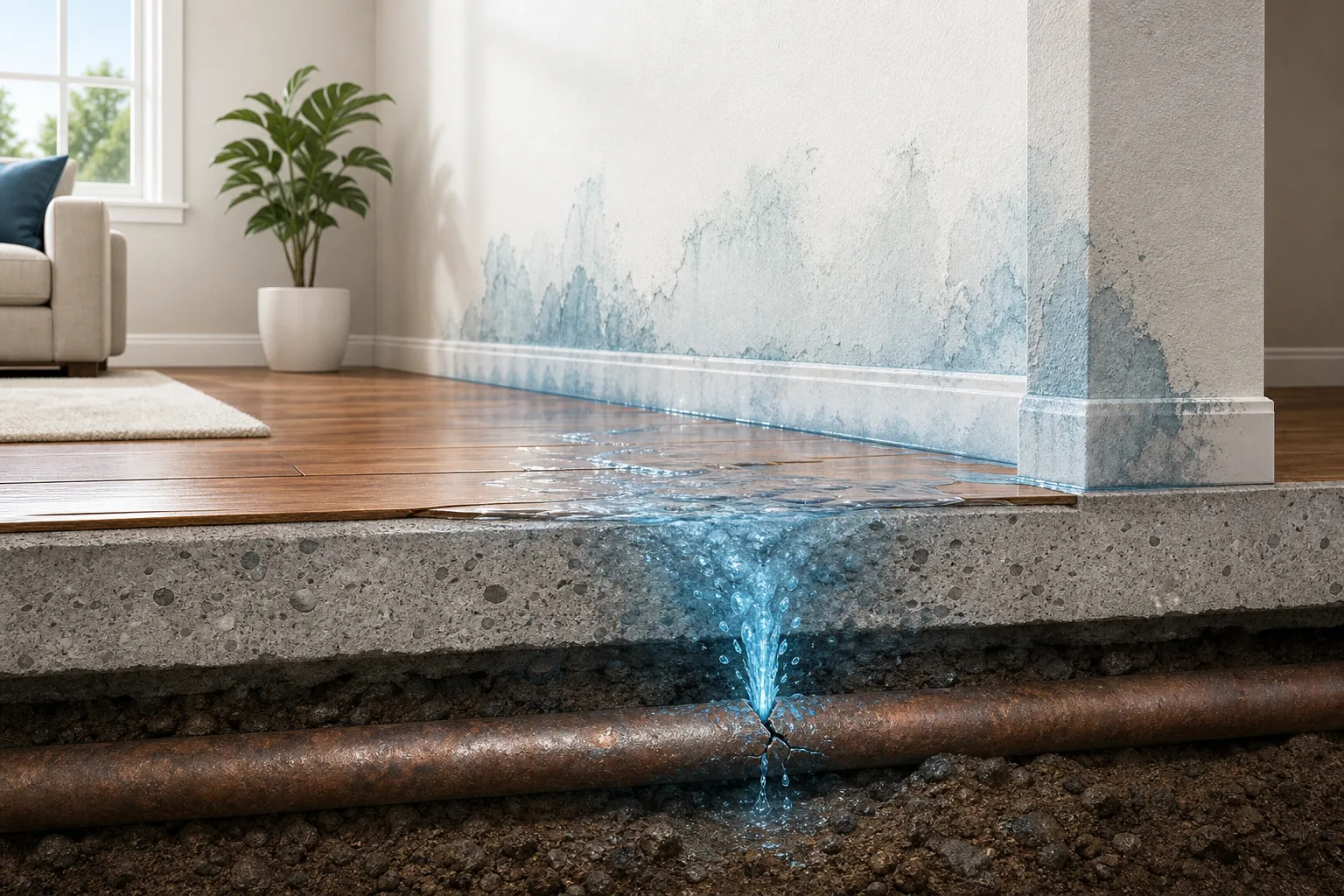
For a deep dive on slab‑leak options, see our Slab Leak Repair in San Clemente: A Complete Guide . It explains why a full PEX repipe often beats spot fixes.
2. PEX‑A Pipe , High‑Flexibility, Easy Installation
PEX‑A is the most flexible grade of cross‑linked polyethylene. It can bend around joists with a 5‑inch radius, which cuts the number of fittings you need. Fewer fittings mean lower labor costs and fewer leak points.
The material tolerates temperatures up to 200 °F and expands safely if water freezes, then returns to shape without cracking. That makes it ideal for exterior walls in coastal Orange County where temperature swings are common.
According to Wikipedia’s PEX entry , the material resists scale and chlorine, giving it a longer service life than many metals.
Pro Tip:Pair PEX‑A with push‑fit fittings for a DIY‑friendly install that still meets code.
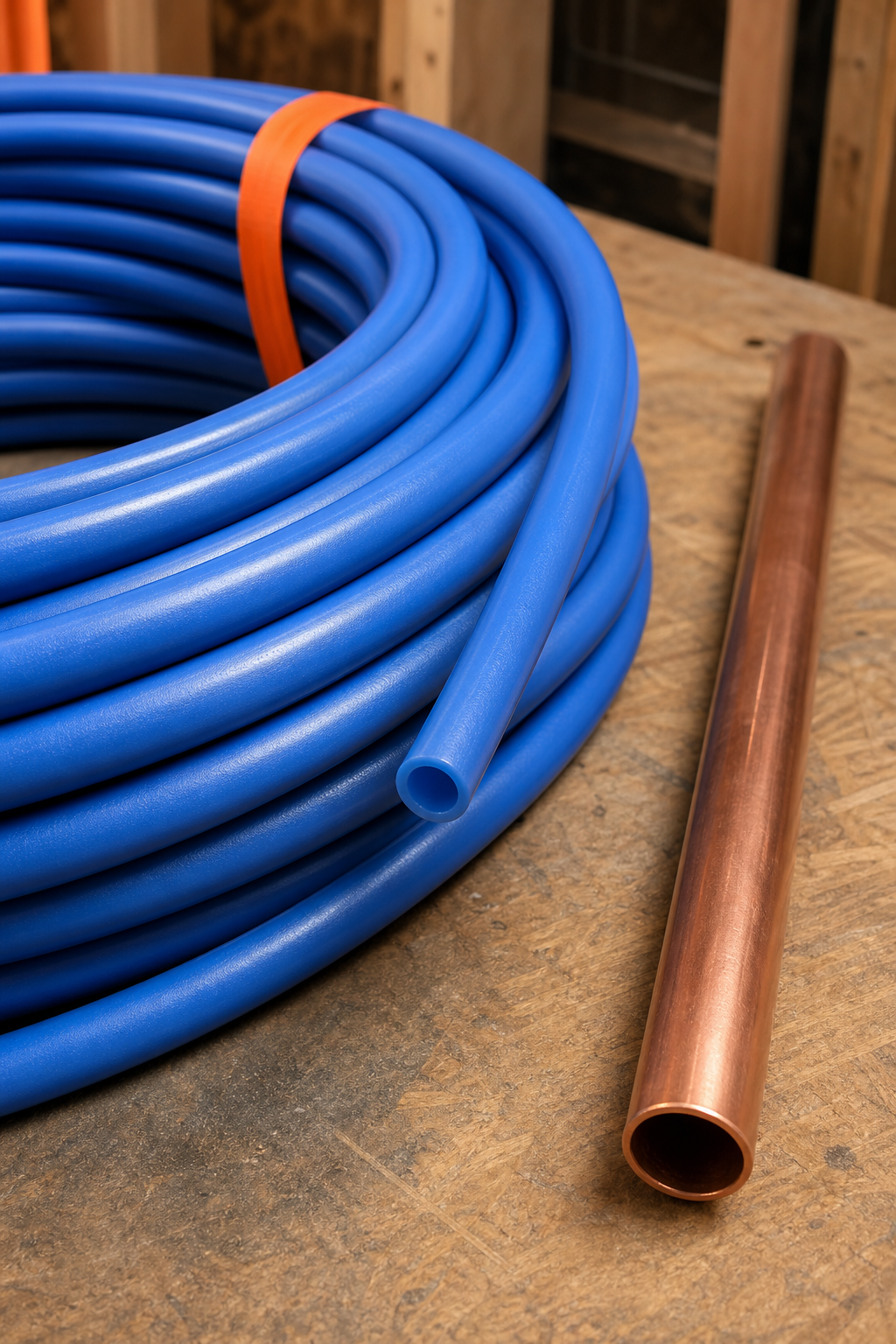
3. Residential polymer piping, Cost‑Effective Residential Option
This type of cross‑linked polyethylene piping is slightly stiffer, but it still offers a broad temperature range and freeze‑resistance.
Homeowners who choose this piping often notice a reduction in material costs, while installation time stays similar because the tubing still bends easily enough for most residential runs.
For a step‑by‑step cost breakdown, check our Cost to Repipe a Home: Step‑by‑Step Guide . It shows how material choice drives the final bill.
4. Metal Pipe Alternatives
Metal pipe types have varying wall thicknesses, which can affect material cost. Thinner walls keep costs low while still providing sufficient strength for interior water lines in most single‑family homes.
These pipes resist corrosion when water is not overly acidic and can handle high pressures without deformation. However, thinner walls are more vulnerable to damage from rodents and require soldered joints, which adds labor time.
For many Orange County remodels, contractors choose thinner‑walled metal pipe to stay under budget while still delivering a durable system that lasts decades if cared for.
Our team explains the trade‑offs in Repipe Services Explained: Benefits and Process . We help you decide if metal pipe longevity outweighs the higher install cost.
Technical specifications list pressure ratings and typical lifespans.
5. Durable Metal Pipe Options
Metal pipes with thicker walls provide extra strength for interior plumbing and some underground runs, making them a common choice in new construction throughout California.
The increased wall thickness helps resist dents and reduces the likelihood of pinhole leaks caused by water hammer, while also tolerating higher temperatures for hot‑water lines.
Homeowners who value a long‑lasting metal piping system often select these robust options, especially when planning to stay in their home for many decades.
6. Rigid Chlorinated PVC for Hot Water
Chlorinated PVC is a rigid, chlorine‑enhanced plastic that handles hot water up to 200 °F. It’s lighter than copper and cheaper per foot, which can lower material costs.
The pipe’s rigidity means you need more fittings, and those fittings must be solvent‑welded, adding a bit of labor. Chlorinated PVC also isn’t as freeze‑resistant as flexible PEX; a frozen line can crack.
For homes in the warmer parts of Orange County that don’t face freezing, chlorinated PVC can be a cost‑effective alternative for hot‑water distribution.
Technical details about temperature rating and pressure limits are available from industry standards.
How to Choose the Right Pipe
Budget: Flexible PEX and chlorinated PVC are the cheapest per foot; copper is pricier.
Climate: Flexible PEX tolerates freeze‑thaw cycles; chlorinated PVC does not.
Installation skill: Flexible PEX can be crimped or fitted; copper requires soldering.
Longevity: Standard copper pipe offers a long proven lifespan; flexible PEX offers comparable life with less hassle.
FAQ
What is the cost difference between PEX and copper pipe?
PEX typically runs about $0.50 /ft, while copper costs around $2 /ft. That makes PEX roughly 75 % cheaper per linear foot.
Can PEX handle hot water?
Yes, PEX is rated for temperatures over 180 °F, so it works fine for both hot and cold water lines.
Is copper still a good choice for new construction?
Copper provides excellent durability and antimicrobial properties, but its higher material and labor costs make it less attractive for budget‑focused projects.
Will PEX freeze and burst in winter?
No, PEX expands when water freezes and returns to shape when it thaws, preventing cracks common in rigid copper.
Do I need a plumber to install chlorinated PVC?
Chlorinated PVC requires solvent‑welded joints, which a qualified plumber should perform to meet code and ensure a leak‑free system.
Ready to upgrade your plumbing without the hassle? Try Repipe OC free →
We recommend flexible PEX for most Orange County homes because it balances cost, flexibility, and durability.Next step:schedule a free on‑site estimate with Repipe OC today.
Comments