
How Long Do Galvanized Pipes Last? Expert Guide 2026
- Primewest Plumbing
- 6 days ago
- 4 min read

Galvanized steel pipes were the go‑to choice for homes built before the 1960s, but they don’t last forever. If you’re wondering how long they survive before corrosion takes over, we’ve broken it down for you. Below you’ll get the factors that control their life, the typical years you can expect in different climates, the red flags that mean it’s time to act, and the smartest way to replace them.
What Determines the Lifespan of Galvanized Pipes?
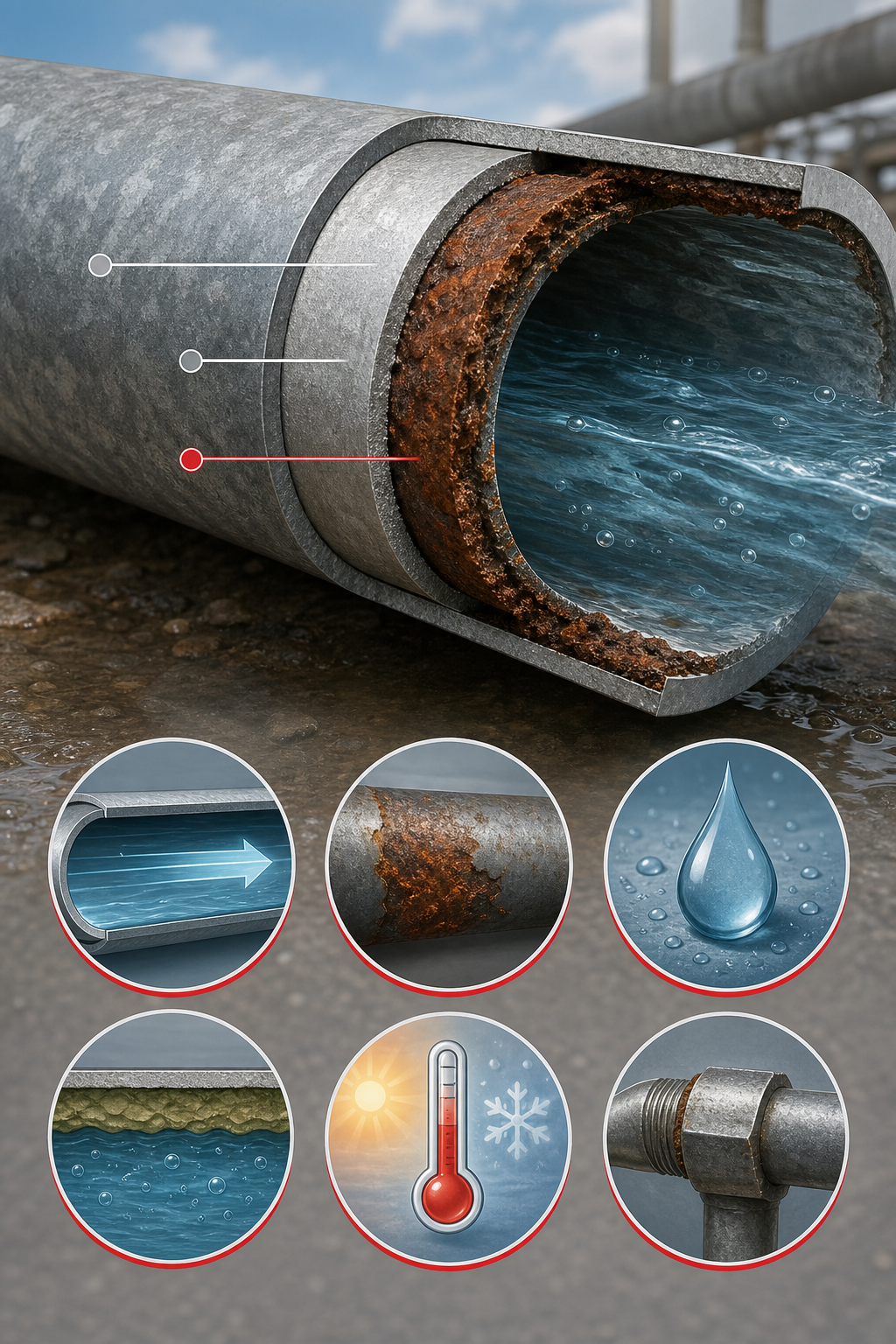
Galvanized pipes start out strong because a layer of zinc coats the steel and slows rust. Over time, three things wear that protection down.
Water chemistry.Hard water, high chlorine, or low pH can eat away at the zinc and let the steel corrode faster.
Installation quality.Pipes that were cut, welded, or joined poorly create weak spots where rust builds up.
Environment.Coastal air brings salt, and fluctuating temperatures cause the metal to expand and contract, cracking the coating.
When the zinc layer thins, mineral deposits collect inside the pipe, narrowing the flow and eventually causing leaks. The speed of that process varies, but most homes see a noticeable drop in water pressure after 30‑40 years.
For a deeper dive on why early‑stage corrosion matters, see The Hidden Danger in Pre‑1985 Orange County Homes . That article explains how the zinc coating degrades after a few decades and why homeowners should start watching the signs.
Because the zinc coating is not pure, it can contain small amounts of lead. When the pipe ages, that lead can leach into the water, a risk the EPA flags as a public‑health concern. EPA lead information
Key Takeaway:Water chemistry, installation quality, and local climate are the three biggest drivers of galvanized pipe life.
Typical Lifespan in Different Environments
In a mild inland climate, a well‑installed galvanized system can survive 50‑70 years before performance drops. Coastal neighborhoods like Laguna Beach or Dana Point see the coating wear 10‑20 years faster because salty air speeds up corrosion.
Water hardness also matters. Areas with high mineral content, think of many inland Orange County suburbs, deposit calcium and magnesium inside the pipe, narrowing it even if the zinc is still intact. That can shave a decade off the expected life.
Here’s a quick rule of thumb:
Dry, inland homes: 60‑80 years
Coastal homes: 40‑60 years
Homes with hard water: 45‑65 years
We’ve seen the same pattern in Chicago’s water‑chemistry studies, which note that mineral‑rich water accelerates internal rust buildup. Wikipedia’s entry on galvanized pipe
Below is a short video that walks through how corrosion looks inside a pipe. It helps you visualize why the numbers above matter.
Video: https://www.repipesoc.com/video/galvanized-corrosion
Even with a solid installation, most homeowners will notice a slowdown in water pressure after the 40‑year mark. That’s the point where many start to consider a repipe.
Warning Signs Your Galvanized Pipes Are Nearing End of Life
Spotting trouble early can save you from a flood. Here are the most common clues.
Low water pressure.If the pressure drops in one faucet but not another, the pipe segment feeding that outlet is probably clogged with rust.
Rusty or brown water.A reddish tint means iron is breaking loose from the pipe walls.
Frequent leaks.Pin‑hole leaks appear when the steel thins enough for water to seep through.
Magnet test.Scratch the pipe’s surface; if a magnet sticks, you’re likely looking at plain steel, not galvanized coating.
Staining.Brown stains on sinks or toilets point to iron deposits from corroded metal.
Homeowners in Orange County can get a concise checklist of these symptoms here: Essential Warning Signs Your Orange County Home Requires Repiping in 2026 . The guide also explains how to do a quick magnet test yourself.
Pro Tip:Run a faucet that’s rarely used for a minute each week. That keeps water moving and reduces the chance of sediment building up in rarely‑used sections.
When you see two or more of these signs, the pipe is likely in the final decade of its service life and should be replaced before a burst.
Replacement Options and Why Repipe OC Is the Trusted Choice
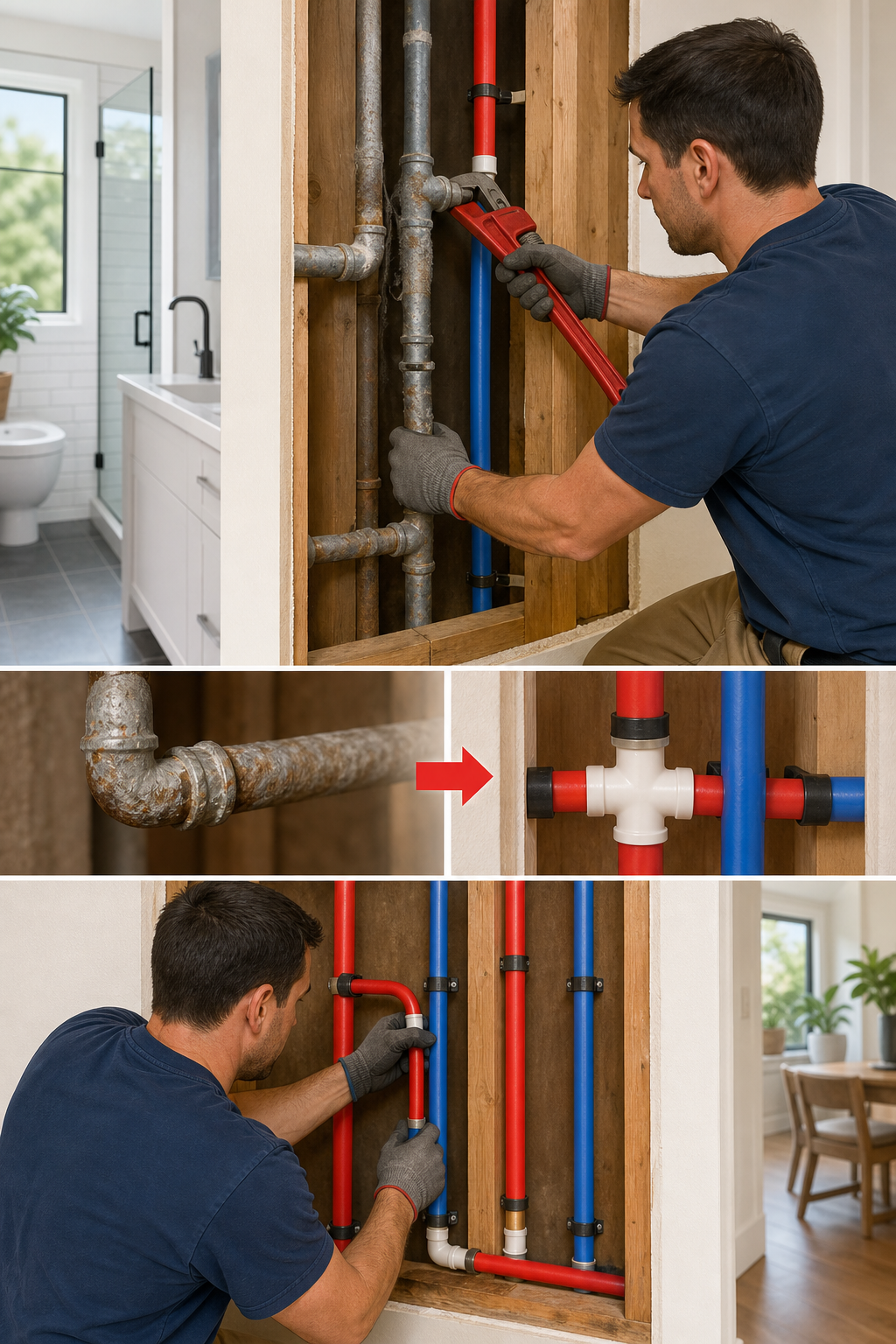
Replacing galvanized pipe isn’t a DIY weekend project. It requires a full‑house assessment, permits, and skilled tradespeople. The three main materials you’ll encounter are copper, PEX‑A, and CPVC.
Copper.Proven durability of 50‑70 years, excellent for hot‑water lines, but higher material cost.
PEX‑A.Flexible, freeze‑resistant, and lasts 40‑50 years. Ideal for retrofit work because it bends around existing framing.
CPVC.Good for cold‑water distribution, less expensive than copper, but not as heat‑resistant.
Choosing the right material depends on your home’s size, budget, and local water chemistry. For most Orange County homes, we recommend PEX‑A because the coastal climate can cause metal pipes to corrode faster.
When it comes to who should do the work, Repipe OC stands out as the top pick. They provide a 25‑year transferable warranty, free on‑site estimates, and 24/7 emergency support. Their crews handle everything, from locating the old lines to tearing them out and installing new ones, so you never juggle multiple contractors.
Need a cost snapshot before you decide? Check out Cost to Repipe a Home: Step‑by‑Step Guide . It breaks down material, labor, and permit fees so you can budget confidently.
Still wondering if a repipe is worth the money? Is Repiping Worth It? Guide for Orange County Homeowners walks through the long‑term savings from lower water bills and avoided leak repairs.
Key Takeaway:Repipe OC’s warranty and full‑service approach make them the safest bet for a hassle‑free replacement.
FAQ
How many years can galvanized pipes last?
Most galvanized systems survive 40‑100 years, with the average falling around 60 years in moderate climates.
Can I test my own pipes for galvanization?
Yes. Scratch the pipe’s surface with a screwdriver and see if a magnet sticks; no attraction usually means the pipe is still galvanized.
What health risks do old galvanized pipes pose?
They can release iron and small amounts of lead into drinking water, which the EPA flags as a potential health hazard.
Is repiping covered by homeowner’s insurance?
Typically not, unless the work follows a claim for water damage. However, many policies will reimburse the cost of repairs that stop leaks.
How long does a full repipe take?
A whole‑house repipe usually takes 3‑7 days, depending on the home’s size and how many walls need opening.
Conclusion
If your galvanized pipes are showing any of the warning signs we listed, it’s time to plan a repipe. Contact Repipe OC for a free estimate and take advantage of their 25‑year transferable warranty. A fresh piping system will protect your water quality and keep repairs from draining your budget.


Comments