
Top 7 Reasons Why Is My Water Brown
- Primewest Plumbing
- Jul 5
- 5 min read

Brown water at the faucet feels like a surprise you didn’t ask for. It can mean rust, minerals, or something else is stirring up inside your pipes. Below are the seven most common reasons you see that tea‑colored hue and what you can actually do about each one.
1. Repipe OC (Our Top Pick)
Repipe OC provides full‑service residential and commercial repiping across Orange County. We replace corroded iron or galvanized lines with PEX or copper, eliminating the rust that makes water brown. Our 25‑year transferable warranty protects the investment for the long run. Homeowners in Laguna Niguel, San Juan Capistrano, and nearby cities see clear water within a day of a completed repipe. Old galvanized pipes often cause brown water problems.Key Takeaway:A professional repipe stops the source of discoloration, not just the symptoms.
Our crew handles everything from slab‑leak detection to final testing, so you never have to guess if the job is done right.
We also offer free on‑site estimates and 24/7 emergency support, giving you peace of mind when a water issue strikes.

2. Iron & Manganese Minerals , Naturally occurring discoloration
Iron and manganese sit naturally in groundwater. Even tiny amounts can leave reddish‑brown or black stains on fixtures and make laundry look dingy. The minerals settle in low‑flow areas of your home’s plumbing, then get stirred up when you turn on a faucet.
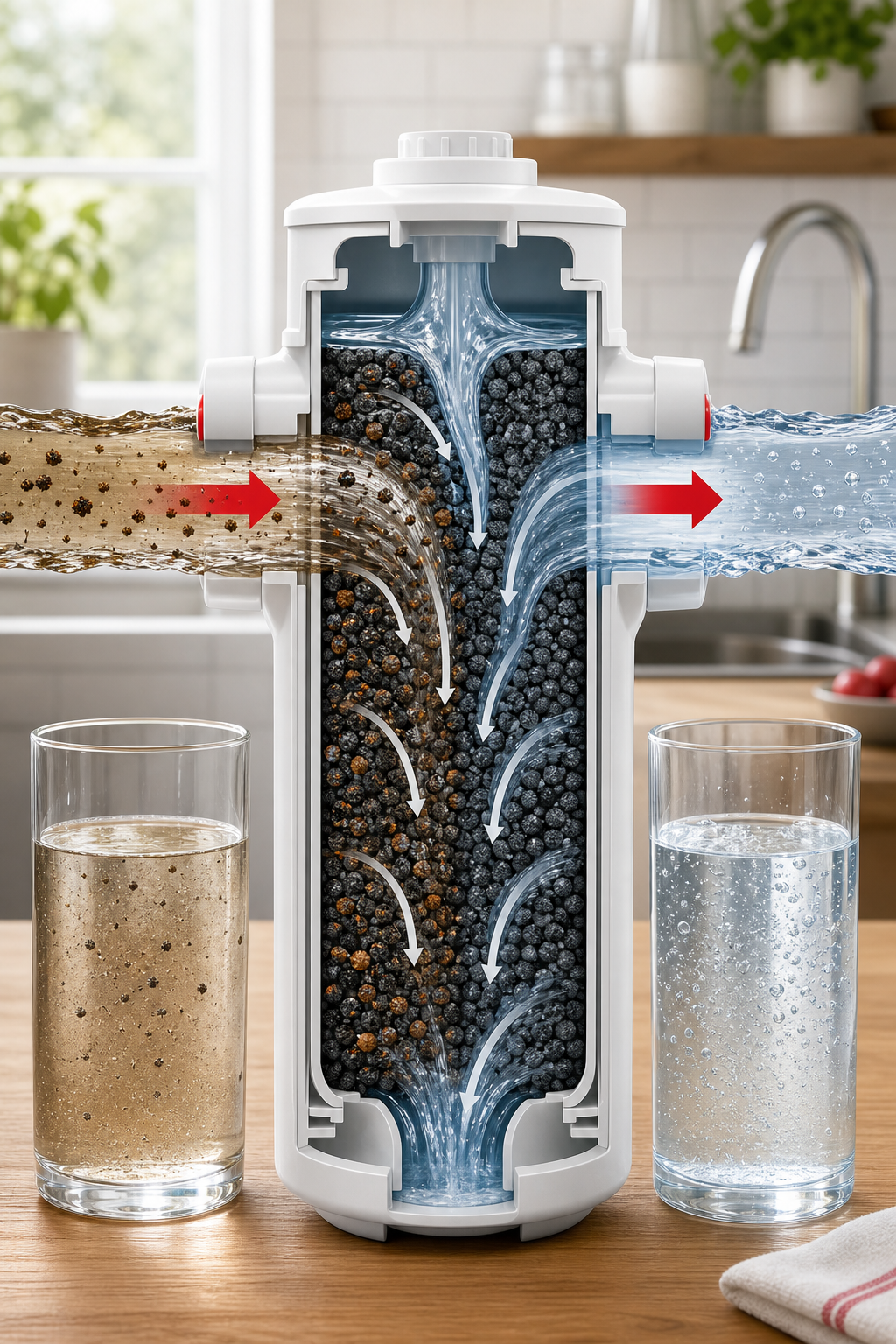
Specialized iron‑removing filters or whole‑home systems can capture these particles before they reach your tap. Older cast‑iron mains can release rust particles, which appear as brown water until the sediments settle.
If you suspect mineral discoloration, start with a water test to pinpoint iron and manganese levels. Homeowner resources show how to decide between filtration and repiping .
3. Water‑Main Work or Flushing , Stirred‑up sediments
City crews sometimes need to flush or repair water mains. The pressure change can stir up rust and sediment that line the inside of the pipes. When that sediment travels into your house, every faucet can spew brown water for a few hours or even days.
Most of the time the water clears up on its own after a short run. If the discoloration lasts longer, the municipal water authority may need to perform a larger‑scale flush.
In Orange County, older cast‑iron service lines are especially prone to this issue. Our copper‑plumbing guide recommends flushing your home’s lines after a city‑wide work order to push the disturbed sediment out quickly.
4. Tannins from Leaves , Organic material leaching
Tannins come from decaying leaves and vegetation that seep into groundwater. They give water a yellow‑ish, tea‑colored tint but don’t pose health risks. The color stays suspended even after the water sits, which helps you tell tannins apart from iron.
Well owners often see tannins when rain washes organic matter into the aquifer. An anion‑exchange filter or a specialized tannin‑removing system can pull the particles out before the water reaches your tap.
Testing is the only way to confirm tannins. A simple at‑home test can guide you, and a regular carbon filter might not catch tannins.
5. Chemical Chelation , Iron‑out, vitamin C treatments
Chelating agents bind to iron particles, keeping them in solution so they can be filtered out or flushed away. Over‑the‑counter products like Iron‑Out or a vitamin C solution work by converting iron to a form that won’t stain.
These treatments are handy for a quick fix, especially in a single‑fixture problem. They don’t replace a failing pipe, but they can buy you time while you arrange a repipe.
Our technicians often recommend a chelation rinse followed by a filter upgrade for the best long‑term results. Read about the benefits of repipe upgrades to see why a permanent solution beats temporary chemicals.
6. Advanced Filtration , Zeta‑charge or Pulsar Disruptor filters
Newer filtration tech uses an electro‑positive charge to pull negatively‑charged particles like tannins, iron, and even microbes out of the water. The Pulsar Disruptor filter, for example, packs nano‑alumina fibers with a 51‑millivolt Zeta potential that attracts contaminants throughout the media.
Because it relies on charge rather than pore size, the filter maintains high flow rates with almost no pressure loss. It meets recognized standards for drinking‑water safety.
Industry sources detail the Pulsar Disruptor’s performance and why it can handle tannins, iron, and even viruses.
7. DIY Cleaning Tricks , Vinegar flush for toilet tanks
If the brown tint only shows up in your toilet, mineral buildup in the tank could be the culprit. White vinegar breaks down iron and manganese deposits without harsh chemicals.
Turn off the water supply, empty the tank, pour a cup of vinegar, let it sit for an hour, then scrub the interior with a brush. Refill the tank and run a few flushes to clear any remaining residue.
For a quick visual check, compare the water before and after the vinegar soak. If the color improves, the issue was likely localized mineral stains rather than a system‑wide problem.
How to Choose the Right Solution
If brown water appears at every faucet, suspect pipe corrosion , consider a repipe.
If it’s only in hot water or a single fixture, try flushing or a targeted filter.
When the water has a tea‑like hue that stays suspended, test for tannins and install an anion‑exchange unit.
For a quick, inexpensive fix, a chelation rinse or vinegar flush can buy you time.
Frequently Asked Questions
Why does my water turn brown after the city does maintenance?
City water‑main flushing can stir up rust and sediment that line old pipes. The disturbed particles travel into homes, causing temporary brown water at all fixtures.
Is brown water safe to drink?
Brown water from rust or iron is generally not harmful, but it can taste metallic and stain dishes. If the color persists for more than a few hours, run the tap for several minutes or contact your water utility for guidance.
How can I tell if the brown color is from iron or tannins?
Let a glass of water sit overnight. If the brown particles settle to the bottom, iron or manganese is likely. If the color stays suspended, tannins are the probable cause.
Will a whole‑house filter remove brown water?
A standard sediment filter can catch loose rust particles, but it won’t stop ongoing corrosion. For a lasting fix, replace the corroded pipes or add a dedicated iron‑removal system.
Do I need a professional to install a Pulsar Disruptor filter?
While the filter itself is a plug‑and‑play cartridge, a licensed plumber can ensure proper pre‑filtration, correct sizing, and a secure seal to keep the system performing at peak efficiency.
Ready to end brown water for good? Schedule a free in‑home repipe estimate in San Juan Capistrano and get a clear view of your water tomorrow.


Comments